How to Protect Your Home During Seasonal Changes
Protecting your home during seasonal changes isn’t about reacting to problems after they happen—it’s about understanding how shifting weather patterns quietly stress different parts of your property over time. Temperature swings, moisture changes, storms, and extended periods of heat or cold all place unique demands on your home’s systems and materials. Homeowners who prepare ahead of each season can avoid sudden breakdowns, reduce long-term repair costs, and maintain a safer, more comfortable living environment year-round.
This guide takes a deep, practical look at how seasonal transitions affect your home and what you can do to stay ahead of those challenges. Rather than offering generic advice, each section focuses on specific risks and realistic actions you can take to protect your investment as the seasons change.
Preventing Water Damage as Weather Shifts
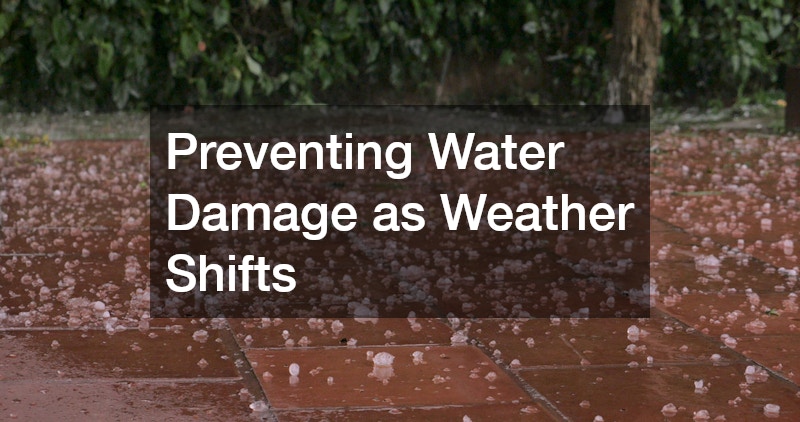
Seasonal weather changes often show up first underground because soil and water conditions respond immediately to shifts in temperature and precipitation. While homeowners may focus on visible damage above ground, what happens beneath the surface can quietly undermine critical systems long before any obvious signs appear. Changes in moisture levels alter soil density, water flow paths, and pressure points, all of which directly affect buried infrastructure.
Heavy rain and snowmelt increase groundwater levels, forcing water to move through soil that may not drain evenly. This can create hydrostatic pressure around buried lines and tanks, stressing joints and seals that are otherwise stable during dry conditions. Prolonged saturation also slows natural absorption, increasing the likelihood of backups or surface seepage. In areas with clay-heavy soil, excess moisture can cause expansion that squeezes underground components from all sides.
Freezing temperatures introduce a different set of risks. As soil freezes, it expands, placing upward and lateral pressure on buried pipes and tanks. Repeated freeze-thaw cycles worsen this effect, gradually weakening connections and creating hairline fractures that may not fail immediately. Ice can also form inside pipes when flow is reduced, leading to partial or complete blockages that disrupt normal operation.
Dry seasons can be just as problematic, even though they’re often overlooked. An extended drought causes soil to dry out and compact, which may result in settling or shifting. When the ground moves unevenly, buried components can become misaligned, stressing joints and creating gaps that allow infiltration or leakage. Because these changes happen slowly, homeowners may not notice a problem until performance is significantly affected.
To reduce risk, homeowners should pay close attention to seasonal warning signs, particularly those that appear or worsen during weather transitions. These indicators often suggest underlying stress rather than isolated incidents and tend to repeat if the root cause isn’t addressed.
Common warning signs include:
- Slow drains appear after heavy rainfall
- Unusual odors following temperature swings
- Pooling water in unexpected areas of the yard
- Gurgling sounds in plumbing during freeze-thaw cycles
Responding early to these changes helps avoid emergency septic tank repair, which is frequently triggered by prolonged stress rather than sudden failure. Emergencies are more likely during extreme weather or peak usage periods, when access may be limited and repair options are constrained. Early intervention allows for controlled, preventative measures instead of urgent, disruptive fixes.
Seasonal inspections are particularly valuable in regions that experience cold winters, heavy spring rain, or dramatic temperature swings. Inspections scheduled ahead of these conditions can reveal compromised seals, reduced drainage capacity, or early structural wear before they escalate into failures.
Working proactively with a septic tank company gives homeowners the advantage of planning instead of reacting. Scheduled assessments provide insight into how seasonal patterns affect underground components and whether adjustments are needed to maintain proper function. These evaluations also help confirm that drainage pathways remain clear and that components remain properly aligned as soil conditions evolve.
Even systems that have performed reliably for years benefit from seasonal checkups. Soil composition, groundwater levels, and household usage patterns change over time, altering how underground systems behave. Regular attention ensures gradual shifts don’t compound into major disruptions, allowing homeowners to protect their property with confidence as seasons change.
Managing Debris, Waste, and Storm Cleanup Efficiently
Seasonal storms, high winds, and falling leaves can dramatically alter the landscape around your home in a short period of time. What begins as scattered debris can quickly accumulate into larger problem areas that interfere with drainage, airflow, and accessibility around the property. While debris may initially appear to be a cosmetic concern, unmanaged waste and fallen vegetation often create the conditions for much more serious issues to develop.
Blocked drainage is one of the most common consequences of delayed cleanup. Leaves, branches, and storm debris can clog gutters, downspouts, and ground-level drainage paths, forcing water to collect where it shouldn’t. When moisture is trapped against foundations, walkways, or exterior walls, it increases the risk of erosion, staining, and long-term structural stress. Standing water also attracts insects and rodents, which can turn a temporary mess into an ongoing pest problem.
After major seasonal events, homeowners often underestimate how quickly debris accumulates and how difficult it becomes to manage once it sits. Broken branches, damaged fencing, and soaked materials can linger for weeks, especially when cleanup feels overwhelming or is postponed until the weather improves. As debris sits, organic matter begins to decompose, creating odors, attracting pests, and increasing moisture retention near the home.
Effective seasonal cleanup strategies focus on timing and organization. Addressing debris as soon as conditions are safe reduces the chance of secondary damage and makes the process more manageable overall. Separating organic waste from construction or damaged materials allows for safer handling and proper disposal, while avoiding prolonged storage of wet or rotting debris near the home, which helps limit moisture-related problems.
For larger cleanup projects, roll off dumpsters provide a practical solution that keeps debris contained and out of the way. Instead of creating unstable piles or making repeated disposal trips, homeowners can remove large volumes of waste efficiently and safely. This approach is especially helpful after severe storms or during major seasonal yard overhauls, when debris volume quickly exceeds standard disposal limits.
Trees deserve special attention during seasonal transitions because they pose one of the highest risks during storms. Overgrown or weakened branches are more likely to break under high winds or heavy snow, potentially damaging roofs, fences, vehicles, or outdoor structures. Scheduling preventative trimming with a local tree service before storm season helps reduce these hazards by removing vulnerable branches before they become a threat.
Seasonal cleanup isn’t just about restoring appearance—it’s about preventing secondary damage that often goes unnoticed until it becomes costly. Leaving debris too long can trap moisture against siding, clog drainage pathways, and create ideal conditions for mold growth or pest infestations. A proactive cleanup approach protects both the structural integrity of your home and the overall health of your outdoor environment, making seasonal transitions safer and easier to manage.
Protecting Exterior Surfaces From Seasonal Wear
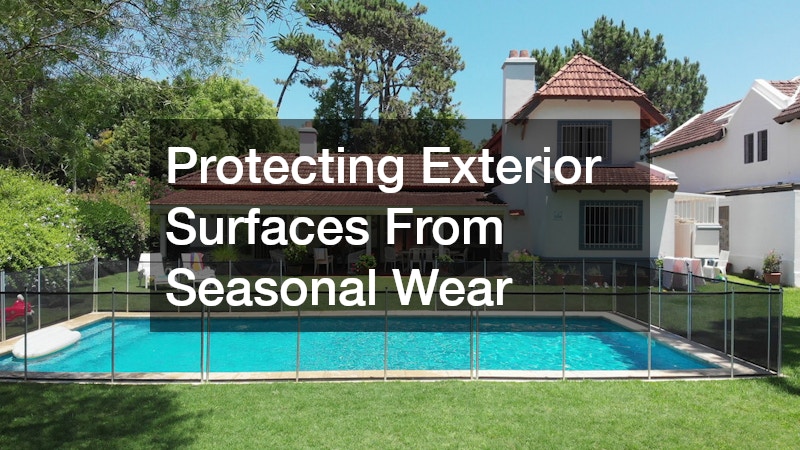
Exterior surfaces take the brunt of seasonal exposure. Dust, pollen, algae, mildew, and road residue build up differently throughout the year, gradually wearing down finishes and materials. Left unchecked, this buildup accelerates deterioration and shortens the lifespan of exterior surfaces.
Seasonal cleaning plays a key role in preservation, but timing and technique matter. Cleaning during extreme heat or freezing temperatures can cause cracking, surface damage, or uneven results. Understanding when and how to clean is just as important as doing it regularly.
Key considerations for seasonal exterior care include:
- Scheduling cleanings during mild weather to avoid thermal shock
- Adjusting pressure levels based on surface type
- Focusing on high-risk areas where moisture lingers
Routine power washing helps remove contaminants that hold moisture against surfaces, particularly before wet or cold seasons. Removing buildup ahead of winter reduces the risk of freeze damage, while spring cleaning clears pollen and organic matter that can stain or degrade materials.
For larger homes or delicate surfaces, pressure cleaning contractors can help ensure proper techniques are used. Professionals understand how seasonal conditions affect cleaning outcomes and can tailor approaches to protect siding, walkways, and exterior features without causing damage.
Seasonal surface care isn’t about aesthetics alone—it’s a form of preventative maintenance that helps materials last longer and perform better across temperature and moisture changes.
Maintaining Structural Integrity Through Temperature Extremes
Temperature extremes place constant stress on your home’s outer shell. Materials expand in heat and contract in cold, and repeated cycles gradually loosen fasteners, open gaps, and compromise seals. These changes often happen slowly, making them easy to overlook until damage becomes visible.
Seasonal inspections help catch early warning signs before they escalate. Homeowners should look for:
- Cracks or warping along exterior panels
- Loose or missing fasteners after storms
- Curling or lifting materials following temperature swings
- Water stains that appear after freeze-thaw cycles
Consulting a siding contractor before extreme seasons arrive allows for repairs during safer weather windows. Addressing small gaps or alignment issues early prevents moisture intrusion and insulation loss during harsh conditions.
Similarly, scheduling evaluations related to roofing services before winter or storm-heavy seasons can prevent leaks caused by thermal movement or wind stress. Even minor issues, when combined with seasonal extremes, can lead to costly interior damage.
Proactive maintenance works best when homeowners align inspections with seasonal transitions rather than waiting for visible failure. Structural integrity depends on consistency, not emergency repairs.
Preparing Outdoor Living Areas for Year-Round Use

Outdoor features are often the most visibly affected by seasonal changes because they are fully exposed to the elements year-round. Unlike interior spaces that benefit from climate control, pools, decks, patios, and surrounding structures absorb the full impact of temperature swings, precipitation, sunlight, and debris. Over time, this exposure weakens materials, stresses joints, and accelerates surface deterioration if seasonal preparation is overlooked.
Seasonal preparation begins with understanding how water behaves throughout the year and how those changes affect outdoor systems. Freezing temperatures cause water to expand, which can crack plumbing lines, fittings, and surface materials when moisture is trapped. Repeated freeze-thaw cycles worsen this damage, gradually weakening components even if no immediate failure occurs. In wet seasons, heavy rain can overwhelm drainage systems, leading to pooling water that erodes surfaces and seeps into surrounding structures.
Heat presents a different challenge. Higher temperatures speed up evaporation, which can concentrate minerals and chemicals in water and increase surface wear. Prolonged sun exposure breaks down finishes, fades materials, and creates conditions that encourage algae and bacterial growth. Without regular seasonal adjustments, outdoor features can degrade much faster than expected.
Homeowners planning or maintaining features tied to pool installation should think beyond active-use months and focus on year-round protection. Key considerations include:
- Ensuring proper drainage so seasonal rainfall moves away from structures instead of collecting nearby
- Completing winterization steps that protect plumbing lines, pumps, and surface materials before freezing temperatures arrive
- Monitoring water chemistry as temperatures rise and fall to prevent corrosion, staining, and biological growth
- Clearing debris promptly so leaves and organic matter don’t sink, stain surfaces, or clog circulation systems
Seasonal care directly extends the usable life of outdoor features by reducing stress on materials and mechanical components. Small, preventative steps taken at the right time can prevent cracks, leaks, surface damage, and system failures that often appear after months of neglect.
Even homes that only use pools part of the year benefit from off-season preparation. Damage frequently occurs when systems sit idle during colder or wetter months, allowing moisture, debris, and temperature extremes to take their toll. By maintaining basic oversight during inactive periods, homeowners can avoid costly repairs and shorten reopening timelines when warm weather returns.
Treating outdoor areas as integral parts of the home—not just seasonal amenities—helps ensure they remain safe, functional, and enjoyable year-round. Consistent attention across seasons preserves both appearance and performance, allowing homeowners to get the most value from their outdoor investments.
Ensuring Safe and Reliable Fuel Access During Cold Weather
Cold seasons introduce challenges that go beyond comfort. Heating reliability becomes critical, especially during storms or extended cold spells. Fuel access issues often arise not because systems fail, but because planning didn’t account for seasonal demand spikes.
Weather disruptions can delay deliveries, while increased usage can deplete reserves faster than expected. Homeowners who wait until supplies run low may face stressful situations during peak cold periods.
Smart seasonal planning includes:
- Monitoring usage patterns as temperatures drop
- Scheduling refills before severe weather is forecasted
- Ensuring access points remain clear of snow or debris
- Reviewing safety measures related to storage and ventilation
Coordinating with propane delivery services ahead of winter reduces the risk of outages when conditions are least forgiving. Advance planning ensures consistent heating and minimizes emergency scenarios that often come with higher costs and limited availability.
Seasonal preparedness isn’t about fear—it’s about reliability. Homes function best when essential systems are supported by thoughtful, forward-looking planning.
Seasonal changes are inevitable, but the damage they cause doesn’t have to be. By understanding how weather patterns affect different parts of your home and taking targeted, proactive steps, you can reduce stress, avoid unexpected expenses, and protect your property year after year. Consistent attention, timely maintenance, and smart planning turn seasonal shifts from a risk into a manageable part of homeownership.