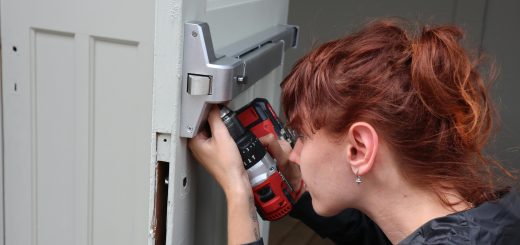
How to Keep Your Home Safe and Functional Year-Round
A home runs on dozens of systems working together behind the scenes. When everything functions properly, it’s easy to forget how much effort it takes to maintain that balance. Small issues often go unnoticed until they turn into expensive repairs or safety risks.
Staying ahead of problems starts with understanding how different parts of the home behave throughout the year. Weather changes, daily use, and aging materials all play a role. A consistent approach to maintenance helps protect your investment and keeps your space comfortable.
The sections below break down practical ways to care for your home through every season. Each focuses on a specific area that tends to need attention, along with simple steps you can take to avoid bigger issues later.
Understanding Seasonal Stress on Your Home
Every season puts pressure on different parts of your home. Cold temperatures can freeze pipes and strain heating systems. Summer heat pushes cooling systems harder. Rain and snow affect your roof and foundation.
Recognizing these shifts allows you to act early instead of reacting to damage.
Key seasonal impacts to watch:
- Winter can lead to frozen pipes and a heating system strain
- Spring often reveals leaks and water intrusion
- Summer increases demand on cooling systems
- Fall is the ideal time to prepare for colder weather
By adjusting your maintenance routine with the seasons, you reduce wear and avoid sudden failures.
Maintaining a Safe and Reliable Electrical System
Electrical issues are one of the most common causes of home hazards. Outdated wiring, overloaded circuits, or unnoticed damage can increase the risk of fires or outages.
Working with a qualified electrical contractor for electrical repair helps identify risks before they escalate. They can assess your panel, wiring, and overall load capacity to confirm everything is operating safely.
Warning signs to pay attention to:
- Frequent breaker trips
- Flickering or dimming lights
- Burning smells near outlets
- Warm or discolored switches
When problems arise, prompt electrical repair prevents small faults from becoming serious dangers.
Routine checks and early intervention keep your home powered safely and consistently.
Keeping Heating Systems Running Efficiently
When temperatures drop, your heating system becomes essential. Delays in maintenance often show up when you need warmth the most.
If your home relies on a boiler, scheduling regular boiler repair and inspections helps maintain efficiency and avoid breakdowns. Even minor issues, like pressure inconsistencies, can affect performance.
Adding or upgrading fireplace inserts can also improve heating efficiency. They provide a controlled, safer way to supplement warmth while reducing heat loss compared to traditional fireplaces.
To maintain reliable heating:
- Schedule annual inspections before winter
- Replace filters regularly
- Monitor unusual noises or uneven heating
- Keep vents and radiators clear
These steps help your system run smoothly and reduce energy waste during colder months.
Staying Cool and Comfortable During Warmer Months
As temperatures rise, your cooling system works harder to maintain comfort. Lack of maintenance often leads to reduced efficiency or unexpected failures.
Routine can address issues like refrigerant leaks, airflow problems, or worn components before they worsen. Even small inefficiencies can increase energy use over time.
If your system struggles to keep up, it may be time to consider HVAC installation upgrades or AC repair services. Newer systems are designed to operate more efficiently and provide consistent cooling throughout the home.
Helpful ways to support your cooling system:
- Clean or replace air filters regularly
- Keep outdoor units free of debris
- Seal gaps around windows and doors
- Use programmable thermostats to manage usage
Staying proactive helps maintain comfort while keeping energy costs under control.
Protecting Plumbing Systems From Damage
Water damage can spread quickly and often goes unnoticed until it becomes severe. Pipes, fixtures, and drains all need consistent attention to prevent leaks or failures.
A professional plumbing contractor can inspect your system for hidden issues such as corrosion, slow leaks, or pressure imbalances. Early detection helps avoid costly repairs later.
Common plumbing concerns include:
- Dripping faucets or hidden leaks
- Low water pressure
- Slow or clogged drains
- Signs of water damage on walls or ceilings
Preventive steps to reduce risk:
- Insulate exposed pipes before winter
- Avoid pouring grease or debris down drains
- Check for leaks around appliances
- Shut off water during extended absences
Maintaining your plumbing system protects both your home’s structure and your daily comfort.
Preventing Water Intrusion and Foundation Issues
Water entering your home can lead to structural damage, mold growth, and long-term repairs. Basements are especially vulnerable, particularly during heavy rain or snowmelt.
A reliable basement waterproofing service can help seal cracks, improve drainage, and prevent moisture buildup. Addressing these concerns early protects your foundation and indoor air quality.
Areas to monitor regularly:
- Cracks in basement walls or floors
- Damp or musty odors
- Pooling water near the foundation
- Efflorescence (white residue on walls)
Taking action before water problems spread keeps your home stable and dry year-round.
Maintaining Your Roof for Long-Term Protection
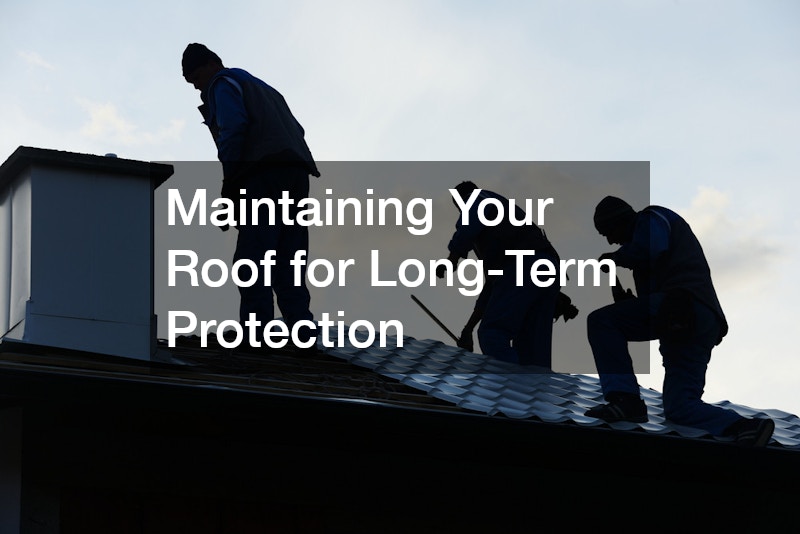
Your roof acts as the first line of defense against the elements. Damage often starts small but can quickly expand if left unaddressed.
Routine roof repairs help fix issues like missing shingles, minor leaks, or flashing damage before they worsen. Even small repairs can extend the life of your roof.
Working with experienced roofing contractors provides a more thorough inspection. They can identify hidden weaknesses and recommend solutions that match your home’s needs.
Key maintenance steps include:
- Inspecting your roof after storms
- Clearing debris from gutters
- Checking for signs of leaks in the attic
- Replacing damaged or worn materials
A well-maintained roof protects your home from water damage and helps regulate indoor temperatures.
Improving Indoor Air Quality Throughout the Year
Air quality plays a major role in how comfortable and healthy a home feels. Dust, allergens, and moisture can build up over time, especially in tightly sealed homes.
Poor airflow often makes these issues worse. Simple steps can make a noticeable difference.
Ways to improve indoor air quality:
- Replace HVAC filters every 1–3 months
- Use exhaust fans in kitchens and bathrooms
- Keep vents clean and unblocked
- Add a dehumidifier in damp areas
It also helps to schedule routine system checks. During maintenance visits, technicians can spot buildup or airflow restrictions that may not be obvious. Over time, cleaner air reduces strain on your systems and improves day-to-day comfort.
Sealing and Insulating for Better Protection
Gaps and poor insulation allow outside air to enter your home, making it harder to maintain a steady indoor temperature. This leads to higher energy use and uneven comfort levels.
Air leaks are common around:
- Windows and doors
- Attic access points
- Electrical outlets on exterior walls
- Ductwork connections
Sealing these areas helps your home stay warmer in winter and cooler in summer.
Benefits of proper sealing and insulation:
- Lower energy bills
- Reduced strain on heating and cooling systems
- Fewer drafts and cold spots
- Better moisture control
Small upgrades, like weatherstripping or adding insulation, can have a lasting impact without requiring a full renovation.
Maintaining Gutters and Drainage Systems
Water management is often overlooked until a problem appears. Gutters and downspouts direct water away from your home, protecting both the roof and foundation.
Clogged or damaged gutters can lead to:
- Water is pooling near the foundation
- Roof leaks
- Soil erosion around the home
- Ice dams in colder months
To prevent these issues:
- Clean gutters at least twice a year
- Check for sagging or loose sections
- Confirm downspouts direct water away from the home
- Install guards if debris buildup is frequent
Keeping water moving in the right direction helps avoid structural damage and reduces the risk of costly repairs.
Protecting Appliances From Wear and Tear
Appliances play a big role in daily life, but they often get attention only when they stop working. Regular upkeep helps extend their lifespan and keeps them operating safely.
Focus on high-use appliances like:
- Water heaters
- Refrigerators
- Washing machines
- Dryers
Maintenance tips include:
- Cleaning lint traps and dryer vents
- Checking hoses for cracks or leaks
- Keeping coils and filters clean
- Monitoring for unusual noises or performance changes
Staying ahead of small issues reduces the chance of sudden breakdowns and helps appliances run more efficiently.
Preparing for Extreme Weather Conditions
Severe weather can test the limits of your home. Whether it’s heavy rain, snow, or high winds, preparation reduces the impact.
Start by identifying weak points in your home’s structure. These often include roofing materials, windows, and exterior doors.
Preparation steps to consider:
- Secure outdoor furniture and loose items
- Trim trees near the home
- Inspect seals around windows and doors
- Reinforce vulnerable entry points
Inside the home, it helps to have an emergency plan. This might include backup power options, stored supplies, and a clear understanding of how to shut off utilities if needed.
Being prepared limits damage and keeps your household safer during unexpected events.
Managing Moisture Levels Inside the Home
Too much moisture can lead to mold growth, structural damage, and poor air quality. On the other hand, very dry air can cause discomfort and affect materials like wood.
Balancing moisture levels is key.
Signs of moisture problems:
- Condensation on windows
- Musty odors
- Warped wood or peeling paint
- Visible mold growth
Steps to manage moisture:
- Use dehumidifiers in damp spaces
- Fix leaks as soon as they appear
- Improve ventilation in high-humidity areas
- Monitor humidity levels with a simple gauge
Keeping moisture under control protects both your home and your health.
Keeping Exterior Surfaces in Good Condition
The outside of your home is constantly exposed to the elements. Over time, siding, paint, and trim can wear down.
Routine care helps prevent long-term damage.
What to check regularly:
- Cracks or gaps in siding
- Peeling or faded paint
- Signs of rot around wood features
- Damage from pests or weather
Maintenance steps include:
- Power washing surfaces annually
- Repainting or sealing exposed materials
- Repairing minor damage before it spreads
A well-maintained exterior not only looks better but also protects the structure underneath.
Testing Safety Systems and Detectors
Safety devices are easy to overlook, but they play a critical role in protecting your home.
These include:
- Smoke detectors
- Carbon monoxide detectors
- Fire extinguishers
Routine checks help confirm everything works when it’s needed most.
Best practices:
- Test detectors monthly
- Replace batteries at least once a year
- Check expiration dates on devices
- Keep fire extinguishers accessible
Taking a few minutes to maintain these systems can make a major difference in an emergency.
Organizing Storage Areas to Prevent Hazards
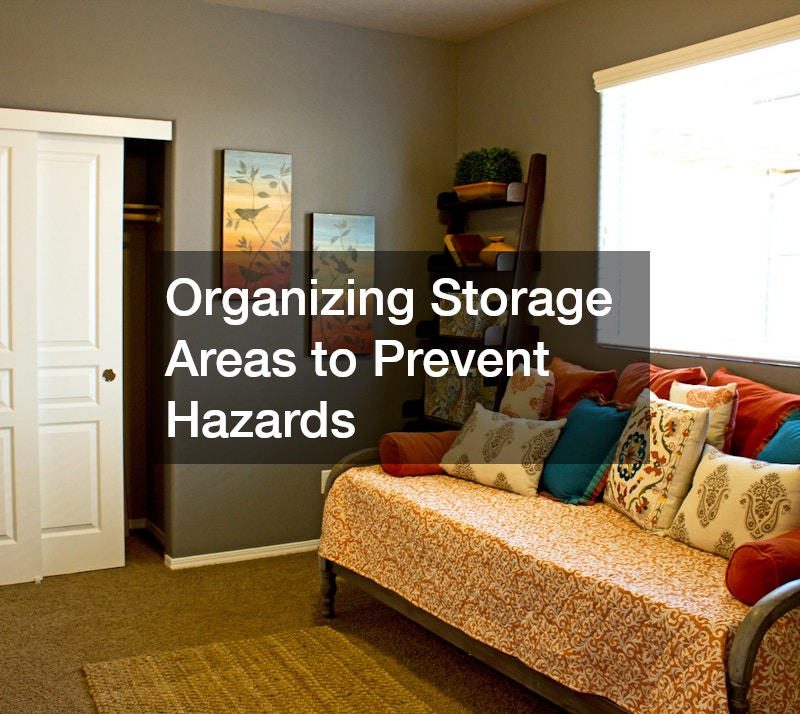
Cluttered storage spaces can hide problems and create safety risks. Basements, garages, and attics often become catch-all areas, making it harder to spot issues.
Risks associated with disorganized spaces:
- Fire hazards from stacked materials
- Blocked access to important systems
- Increased chance of pest activity
- Hidden leaks or damage
Improving organization helps reduce these risks.
Simple ways to stay organized:
- Use shelving to keep items off the floor
- Label storage containers clearly
- Keep pathways open and accessible
- Avoid storing flammable materials near heat sources
A clean, organized space makes it easier to maintain your home and respond quickly if something goes wrong.
Creating a Year-Round Maintenance Routine
Consistency is what keeps a home functioning properly over time. Instead of reacting to problems, a structured maintenance plan helps you stay ahead.
A simple routine can include:
Monthly tasks:
- Check for leaks under sinks and around appliances
- Test smoke and carbon monoxide detectors
- Inspect visible wiring and outlets
Seasonal tasks:
- Clean gutters and downspouts
- Inspect heating and cooling systems
- Check insulation and weather sealing
Annual tasks:
- Schedule professional inspections
- Review major systems for wear and efficiency
- Plan upgrades or replacements if needed
Keeping a checklist makes it easier to track what’s been completed and what still needs attention.
Recognizing Early Warning Signs Before Problems Escalate
Most major repairs start as small, manageable issues. The key is noticing those early signs before they turn into costly damage.
Pay attention to:
- Unusual noises from appliances or systems
- Sudden increases in utility bills
- Visible cracks, stains, or discoloration
- Changes in airflow or temperature consistency
Acting quickly reduces repair costs and limits disruption to your daily routine.
Planning for Long-Term Home Improvements
Even with regular maintenance, some systems and materials will need to be replaced over time. Planning ahead allows you to make informed decisions instead of rushing into repairs.
Start by evaluating:
- The age of major systems
- Current energy efficiency levels
- Recurring maintenance issues
- Areas where upgrades could improve comfort
Creating a long-term plan helps spread out costs and reduces stress when repairs are needed.
It also gives you time to research options and choose improvements that align with your goals for comfort, safety, and efficiency.
Balancing Safety, Comfort, and Efficiency
A well-maintained home supports both safety and comfort. When systems operate efficiently, they use less energy and require fewer repairs.
Focus on:
- Keeping systems clean and well-maintained
- Upgrading outdated components when needed
- Addressing issues as soon as they appear
- Scheduling routine professional evaluations
Small, consistent efforts make a noticeable difference over time.
Final Thoughts on Keeping Your Home Running Smoothly

Maintaining a safe and functional home doesn’t require constant work, but it does require attention. Whether it’s calling a pro for AC repair or an electrical contractor, staying proactive lets you catch problems early and keep everything running as it should. When each system is cared for properly, your home becomes more reliable, efficient, and comfortable throughout the year.