How to Handle Unexpected Plumbing Problems in Your Home
Be Ready When Plumbing Problems Strike at Home
Plumbing issues rarely happen at convenient times. A pipe can burst in the middle of the night, a drain can clog before guests arrive, or a leak can slowly cause damage without you noticing. These situations can feel overwhelming, but knowing how to respond quickly and effectively can make all the difference.
The key is not just reacting to problems, but understanding how to manage them in a way that minimizes damage, saves money, and protects your home. With the right approach, even unexpected plumbing issues can be handled with confidence.
Identify the Problem Quickly Before It Gets Worse
When something goes wrong, your first priority is figuring out exactly what you’re dealing with. Not all plumbing issues require the same response, and misjudging the situation can lead to unnecessary damage or expense.
Start by identifying where the problem is coming from. Is water pooling under a sink? Is a fixture not working properly? Is there a sudden drop in water pressure? These clues can help narrow down the cause. Minor issues like a slow drip or partial clog may not seem urgent, but they can quickly escalate if ignored.
Pay attention to sounds and smells as well. Gurgling drains, hissing pipes, or unpleasant odors often signal underlying problems that need attention. Acting early can often mean the difference between a simple fix and a more involved plumbing repair.
There are times when the issue clearly exceeds DIY capabilities. If water is spreading rapidly, affecting multiple fixtures, or causing structural concerns, it’s best to contact experienced plumbers immediately. Quick assessment and action can prevent further complications and reduce overall repair costs.
Shut Off Water and Protect Your Home Immediately
Once you’ve identified a problem, your next step is to stop the flow of water. This is one of the most important actions you can take to limit damage. Even a few extra minutes of running water can significantly increase repair costs and lead to more extensive issues like mold growth or structural damage.
Locate your home’s main water shut-off valve before an emergency happens. In most homes, it’s found near the water meter, in a basement, or outside along the perimeter. Take time to familiarize yourself with how it works—some valves require turning a handle, while others may need a wrench. Turning it off quickly can prevent flooding and give you time to assess the situation without added pressure.
If the issue is isolated to a specific fixture, such as a sink or toilet, you can often shut off water locally using the valve beneath or behind the fixture. This allows the rest of your home to continue functioning normally while you address the problem. It’s a good idea to periodically check these smaller valves to ensure they’re not stuck or corroded.
In more severe cases, such as a burst pipe repair situation, immediate action is critical. Water can spread quickly, damaging flooring, walls, and personal belongings. After shutting off the water, begin removing excess water using towels, mops, or a wet vacuum, and move valuable items out of harm’s way.
If the situation feels beyond your control or is worsening rapidly, don’t hesitate to call emergency plumbing services. Acting fast can significantly reduce long-term damage and restoration costs while helping you regain control of the situation.
Handle Minor Clogs Before They Become Major Issues
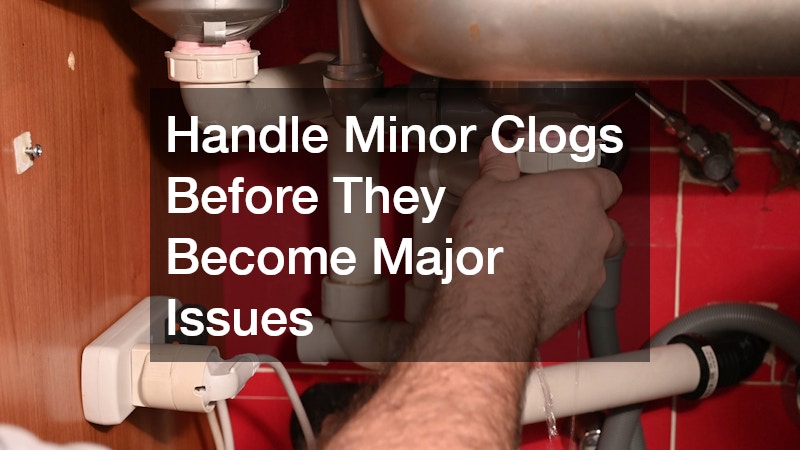
Clogs are among the most common plumbing problems homeowners face, and they often start small. Addressing them early can prevent more serious issues down the line.
For minor clogs, a plunger is often the first and most effective tool. Make sure you create a proper seal and use steady pressure to dislodge the blockage. For tougher clogs, a hand auger or drain snake can help break up debris deeper in the pipe.
Avoid using harsh chemical cleaners, as they can damage pipes over time and may not fully resolve the issue. Instead, consider natural solutions or mechanical methods that are safer and more effective.
Regular drain cleaning can help prevent buildup from soap, grease, and debris. Establishing simple habits—like avoiding pouring grease down the sink or using drain screens—can significantly reduce the risk of clogs.
However, if multiple drains are backing up or you notice slow drainage throughout your home, it could indicate a larger issue. In these cases, professional sewer line repair services may be necessary to address deeper blockages or damage within your plumbing system.
Detect Leaks Early and Prevent Structural Damage
Leaks can be deceptively harmful because they often go unnoticed until significant damage has occurred. Learning how to detect them early can save you from costly repairs.
Start by checking common problem areas, such as under sinks, around appliances, and near water heaters. Look for signs like moisture, discoloration, or mold growth. Even small leaks can lead to structural damage if left unaddressed.
Monitoring your water bill is another effective way to spot hidden issues. A sudden increase in usage without a clear reason may indicate a leak somewhere in your system.
Basic leak detection techniques include listening for dripping sounds, inspecting exposed pipes, and using simple tools like moisture meters. For more complex situations, professional inspections can help locate hidden leaks behind walls or under flooring.
Addressing leaks promptly not only prevents damage but also reduces water waste and helps maintain the integrity of your home.
Fix Common Bathroom Plumbing Issues Step-by-Step
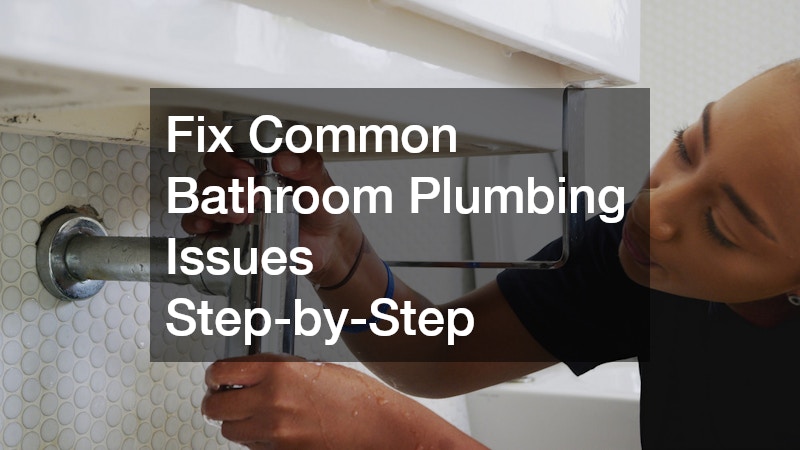
Bathrooms are one of the most frequently used areas in any home, which makes them prone to plumbing problems. Fortunately, many common issues can be addressed with the right approach.
Running toilets are often caused by worn-out flappers or faulty fill valves. Replacing these components is usually straightforward and inexpensive. Clogs can often be cleared with a plunger or auger, but recurring problems may indicate a deeper issue.
Toilet repairs should never be ignored, as even small problems can lead to water waste or more serious damage. Regular maintenance, such as checking for leaks and ensuring proper flushing, can help keep everything functioning smoothly.
Additionally, worn or outdated fixtures can contribute to inefficiency and recurring issues. In these cases, investing in plumbing fixture services can improve performance and reduce the likelihood of future problems.
Taking a proactive approach to bathroom maintenance ensures reliability and minimizes unexpected disruptions.
Address Kitchen Plumbing Problems Before They Escalate
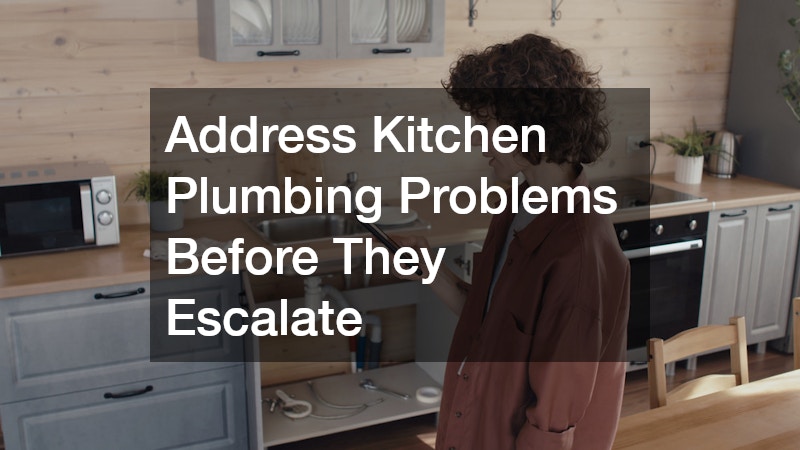
The kitchen is another high-traffic area where plumbing issues frequently occur. From clogged sinks to malfunctioning disposals, these problems can quickly disrupt daily routines.
Grease buildup is one of the leading causes of kitchen clogs. Even small amounts can accumulate over time, restricting water flow and leading to blockages. Always dispose of grease properly rather than pouring it down the drain.
Leaks under sinks are also common and can often be traced to loose connections or worn seals. Tightening fittings or replacing components can resolve these issues before they worsen.
Maintaining your kitchen and bath plumbing systems involves regular cleaning, inspection, and mindful usage. Avoid overloading garbage disposals and ensure that only appropriate materials are washed down the sink.
If problems persist despite your efforts, it may be time for professional plumbing repair. Addressing issues early can prevent more extensive damage and keep your kitchen functioning efficiently.
Know When It’s Time to Call a Professional
While many minor issues can be handled independently, there are situations where professional help is essential. Knowing when to call in an expert can save you time, money, and frustration, especially when a problem has the potential to worsen quickly.
Persistent leaks, recurring clogs, and low water pressure are all signs that a deeper problem may exist. For example, a clog that keeps coming back could indicate a blockage further down the line, while low pressure might point to hidden leaks or pipe damage. Attempting to fix these issues without proper knowledge or tools can sometimes make matters worse, leading to more extensive damage and higher repair costs.
Experienced plumbers have the training and equipment needed to diagnose and resolve complex problems efficiently. They can use specialized tools, such as cameras and pressure testing devices, to pinpoint issues that aren’t visible to the naked eye. This level of accuracy helps ensure that the root cause is addressed rather than just treating surface symptoms.
In addition to repairs, professionals can provide valuable guidance on maintaining your system and improving efficiency. They may recommend upgrades, identify outdated components, or suggest preventative measures that reduce the likelihood of future problems.
When selecting a service provider, take time to compare options. Look for proper licensing, strong customer reviews, and clear communication about pricing and timelines. Establishing a relationship with a trusted professional ensures you have reliable support when you need it most, especially during urgent situations.
Prevent Future Plumbing Emergencies with Regular Maintenance
Preventative maintenance is one of the most effective ways to avoid unexpected plumbing issues. A little effort now can save significant time and money later.
Start by creating a simple maintenance schedule that includes regular inspections of pipes, fixtures, and appliances. Check for signs of wear, corrosion, or leaks, and address any issues promptly.
Routine drain cleaning helps prevent buildup and keeps water flowing smoothly. Scheduling periodic professional inspections can also identify hidden problems before they escalate.
For more complex systems, periodic evaluations of sewer line repair services may be beneficial, especially in older homes or areas with known issues. Early detection of problems can prevent costly repairs and disruptions.
Consistency is key. By staying proactive and attentive, you can maintain a reliable plumbing system and reduce the likelihood of emergencies.
Prepare Your Home for Unexpected Plumbing Situations
Preparation is essential when it comes to handling emergencies. Having the right tools and plan in place can make a stressful situation much more manageable, especially when time is critical and water damage can escalate within minutes.
Start by assembling a basic toolkit that includes a plunger, wrench, pipe tape, and a bucket. You may also want to include a flashlight, towels, and a small hand auger for tougher clogs. Keeping these items in an easily accessible location ensures you won’t waste time searching for them during an urgent situation. These tools can help you contain leaks, tighten loose connections, and manage minor issues before they worsen.
It’s also important to create a response plan. Make sure everyone in your household knows where the main shut-off valve is located and how to use it. Walk through different scenarios so each person understands what to do if a pipe bursts or a fixture starts leaking. Keep contact information for emergency plumbing services easily accessible so you can act quickly when needed, whether that’s saved in your phone or posted in a visible area.
Additionally, consider labeling shut-off valves and inspecting them periodically to ensure they are functioning properly. Being prepared reduces panic and allows you to respond with confidence. It also minimizes damage by ensuring that the right steps are taken immediately.
Taking time to plan ahead can make all the difference when unexpected issues arise.
Protect Your Home and Budget with Smart Planning
Unexpected plumbing problems can be costly, but smart financial planning can help you manage these expenses more effectively.
Set aside a small emergency fund specifically for home repairs. Even modest contributions over time can provide a safety net when issues arise. Understanding your homeowner’s insurance policy is also important, as some types of water damage may be covered.
Upgrading outdated systems can reduce the risk of future problems and improve efficiency. While these upgrades may require an upfront investment, they often pay off in the long run through reduced maintenance and repair costs.
Working with trusted plumbers for regular inspections and maintenance can also help you avoid unexpected expenses. Building a relationship with a reliable professional ensures you have support when needed.
By planning ahead and staying proactive, you can protect both your home and your finances from the impact of unexpected plumbing issues.
Stay Prepared and Confident When Problems Arise
Handling plumbing problems doesn’t have to be overwhelming. With the right knowledge, preparation, and mindset, you can respond quickly and effectively to protect your home.
By understanding common issues, taking preventative measures, and knowing when to seek help, you create a system that supports long-term stability. Each step you take today builds confidence for tomorrow.
Unexpected problems may still occur, but with a clear plan in place, you’ll be ready to handle them with ease and control.