Essential Home Repair Habits Every New Homeowner Should Learn
Buying a first home feels exciting, but it can also feel like inheriting a long list of mysteries. A small stain near the ceiling, a door that sticks after heavy rain, or a strange sound from the utility room can leave new homeowners wondering whether the issue is harmless or the beginning of a bigger repair.
The best homeowners are not the ones who know how to fix everything themselves. They are the ones who pay attention early, keep track of changes, and know when a repair needs professional help. Good maintenance habits help prevent surprise expenses, protect comfort, and keep the home safer over time.
For millennial homeowners balancing work, budgets, families, and busy schedules, the goal is not perfection. The goal is consistency. A few simple routines can make homeownership feel less overwhelming and far more manageable.
Create a Seasonal Maintenance Routine Instead of Waiting for Problems

A home rarely fails all at once. Most repair issues build slowly, then show up as an emergency when no one has been watching. That is why seasonal maintenance is one of the most useful habits a new homeowner can build.
Spring is a good time to walk around the outside of the home, check gutters, look for drainage problems, and inspect exterior surfaces after winter weather. Summer is useful for testing outdoor water flow, checking air conditioning performance, and noticing whether doors or windows are sealing properly. Fall is the season for preparing for colder temperatures, clearing debris, and checking areas where moisture may collect. Winter calls for watching pipes, heating systems, attic ventilation, and indoor humidity.
Plumbing deserves special attention because small clogs and slow drains are easy to dismiss. A bathroom sink that drains slowly may not seem urgent, but it can signal buildup deeper in the line. If several drains in the home are slow at once, professional drain cleaning services may be needed before the issue turns into a backup.
A simple home maintenance calendar can help. Add recurring reminders for tasks like testing smoke detectors, replacing HVAC filters, cleaning gutters, checking caulk, and walking the property after heavy storms. The routine does not need to be complicated. It just needs to happen.
Inspect Doors and Windows Before They Affect Energy Efficiency
Doors and windows do more than let light in and keep weather out. They also affect energy bills, indoor comfort, security, and long-term maintenance costs. Many first-time homeowners only think about them when something breaks, but small signs often appear much earlier.
Start by checking for drafts. On a windy day, stand near window frames and exterior doors to feel for air movement. Look for condensation between panes, cracked glass, worn weatherstripping, soft wood, and gaps where light comes through. These details may seem minor, but they can increase heating and cooling costs month after month.
Sometimes a full window replacement is not necessary. If the frame is still sound but the glass is cracked, foggy, or damaged, window glass replacement may solve the problem without the cost of replacing the entire unit. The key is having the issue evaluated before moisture causes damage around the frame.
Exterior doors deserve the same attention. A door that does not close tightly can create drafts, security concerns, and water intrusion during storms. In areas where severe weather is a concern, impact door installation can be a smart upgrade because it improves protection while also strengthening the home’s exterior envelope.
Make it a habit to inspect doors and windows twice a year. Open and close each one. Lock and unlock them. Look at the seals, frames, glass, and surrounding walls. This is one of those quiet routines that can save a homeowner from larger repairs later.
Pay Attention to Moisture Before It Becomes a Major Repair
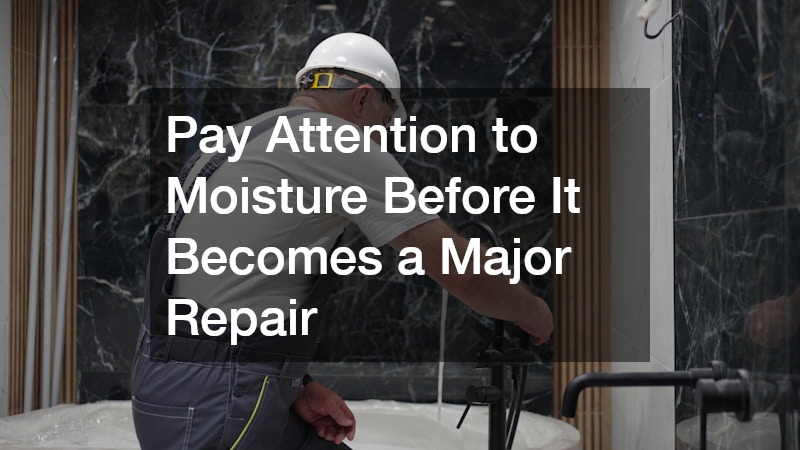
Moisture is one of the most damaging forces in a home. It can hide behind walls, under floors, around windows, beneath sinks, and inside cabinets. By the time a homeowner notices a strong smell or visible staining, the problem may already be larger than it appears.
A practical habit is to check moisture-prone areas once a month. Look under kitchen and bathroom sinks. Check behind the washing machine. Inspect the area around toilets, tubs, showers, water heaters, and basement walls. Do not just look for standing water. Look for discoloration, peeling paint, swollen baseboards, soft flooring, musty odors, and unexplained humidity.
Picture a new homeowner noticing that the bathroom floor feels slightly soft near the tub. It may be tempting to ignore it, especially if the surface still looks fine. But that softness could mean water is reaching the subfloor. Waiting can turn a small sealing issue into water damage repair involving flooring, walls, and structural materials.
Mold is another reason moisture should never be ignored. It often begins in poorly ventilated spaces, especially bathrooms, laundry rooms, attics, and basements. Small spots around caulk or grout may be manageable with proper cleaning and ventilation, but widespread growth or recurring odors may require professional mold removal.
Ventilation matters. Use bathroom fans during showers and let them run afterward. Keep furniture slightly away from exterior walls when possible. Do not ignore condensation on windows. In humid areas, a dehumidifier can be a worthwhile investment.
The main habit is simple: when water shows up where it does not belong, investigate quickly. Moisture problems rarely improve on their own.
Protect Flooring by Addressing Wear Before It Spreads
Floors take daily abuse, but homeowners often overlook them until damage is obvious. Shoes, pets, furniture, spills, humidity, and cleaning products all affect how long flooring lasts. The earlier a homeowner responds to wear, the easier it is to prevent permanent damage.
Laminate flooring is popular because it is attractive, practical, and often more affordable than hardwood. Still, it has limits. Standing water can cause swelling, bubbling, or separation between planks. New homeowners should clean spills quickly, use manufacturer-approved cleaners, and avoid soaking the floor during mopping. Entry mats can reduce grit that scratches the surface, while felt pads under furniture help prevent gouges.
Bathrooms require extra care because water can move into cracks, seams, and edges. A glass shower may look clean and modern, but the surrounding seals, caulk, and door sweeps need regular attention. If water escapes during every shower, it can slowly damage nearby flooring and trim.
A useful habit is to look at the edges of flooring, not just the center of the room. Damage often begins near walls, tubs, dishwashers, refrigerators, and exterior doors. If planks lift, grout cracks, caulk separates, or trim begins to swell, treat the issue as a warning sign.
Flooring is also connected to indoor habits. Remove wet shoes near the door. Clean pet accidents quickly. Avoid dragging heavy furniture. Use rugs in high-traffic areas, but make sure they do not trap moisture underneath. These small choices help preserve flooring without turning maintenance into a major project.
Handle Exterior Repairs Before They Affect the Whole Property

The outside of a home protects everything inside it. Yet many first-time homeowners focus heavily on interior updates and postpone exterior repairs. That can be risky because outdoor problems often spread inward.
Fences are a good example. A leaning post, loose gate, or rotting panel may start as a cosmetic concern, but it can affect privacy, security, pets, and property boundaries. After storms or high winds, walk the fence line and check for movement, rust, cracked boards, and unstable sections. If the damage affects structure or alignment, a fence contractor can determine whether repair or replacement is the better option.
Garage doors also need regular attention. They are heavy moving systems with springs, rollers, tracks, sensors, and openers that all need to work safely. A door that shakes, squeals, reverses unexpectedly, or does not sit level should not be ignored. Calling a garage door company for inspection can prevent safety hazards and help extend the life of the system.
Exterior repair habits do not need to be complicated. Walk the property slowly once a month. Look at the roofline, siding, gutters, fencing, driveway, garage door, steps, and drainage areas. After a major storm, repeat the walk. Take photos of anything that looks different so you can track changes over time.
The point is not to panic over every imperfection. It is to notice patterns. A small crack that does not change may simply need monitoring. A crack that grows over several months needs attention. Homeownership becomes easier when you learn the difference.
Replace Aging Components Before They Fail Unexpectedly
Every home has parts that wear out. The mistake many new homeowners make is waiting until something completely fails before thinking about replacement. That approach often leads to rushed decisions, higher costs, and inconvenient emergencies.
Start by learning the age of major home components. If possible, gather records for the roof, HVAC system, water heater, appliances, windows, doors, flooring, and garage system. If records are unavailable, a home inspector or qualified professional may be able to estimate age and condition.
Garage doors are a common example of a system that gets used daily but rarely gets planned for. If a door is dented, poorly balanced, noisy, or repeatedly needing repairs, local garage door replacements may provide better long-term value than continuing to patch an aging system. Replacement can also improve curb appeal, insulation, security, and daily reliability.
The same principle applies throughout the house. Replacement planning gives homeowners time to compare options, budget properly, and avoid emergency choices. It also helps separate urgent needs from future upgrades.
A practical replacement habit is to keep a simple “next five years” list. Include items that are functioning now but showing age. Review the list twice a year and update priorities. This turns large expenses into planned decisions instead of sudden disruptions.
Build a Home Maintenance Budget That Covers Unexpected Repairs

A home maintenance budget is not exciting, but it is one of the smartest habits a new homeowner can build. Without one, every repair feels like a setback. With one, maintenance becomes part of owning the home rather than a financial surprise.
Many homeowners use a general rule of saving around 1% to 3% of the home’s value each year for maintenance and repairs. The right amount depends on the home’s age, condition, location, and systems. An older home with mature trees, aging plumbing, and older appliances may need more than a newer home with recently updated systems.
It helps to separate home spending into categories:
- Routine maintenance, such as filters, caulk, cleaning supplies, and inspections
- Planned repairs, such as replacing worn fixtures or damaged materials
- Emergency repairs, such as leaks, backups, storm damage, or system failures
- Long-term replacements, such as roofing, major appliances, doors, or flooring
Tracking repairs is just as important as saving for them. Keep receipts, warranties, contractor notes, paint colors, appliance manuals, and before-and-after photos in one digital folder. This record helps with future repairs and may also be useful when selling the home.
New homeowners should also be careful not to spend the entire first-year budget on cosmetic upgrades. Paint, furniture, and decor matter, but the less visible repairs often matter more. A beautiful room loses its appeal quickly if there is a leak behind the wall or a failing system nearby.
Keep Learning Through Small, Consistent Habits
Homeownership becomes less intimidating when maintenance turns into a routine instead of a reaction. No one learns every repair skill at once. Most people learn through small moments: noticing a new sound, asking better questions, saving a contractor’s explanation, or understanding why one repair matters more than another.
The most helpful habit is curiosity. When a professional visits the home, ask what caused the problem, how to prevent it, and what signs to watch for next time. When something changes, write it down. When a repair is completed, keep the record. Over time, these details help homeowners understand their property instead of feeling controlled by it.
A well-maintained home is not necessarily perfect. It is simply watched, cared for, and repaired before small problems become expensive ones. For new homeowners, especially those still building confidence, that mindset can make all the difference.