Why Your Roof Keeps Failing Years Before Its Expected Lifespan
You expected your roof to last decades, but now you’re staring at leaks, missing shingles, or curling edges years ahead of schedule. This is a more common problem than most homeowners realize, and it rarely comes down to bad luck. Understanding the real reasons behind premature roof failure can help you protect your investment, avoid repeat repairs, and know exactly when it’s time to call in help. Let’s break down what’s actually shortening your roof’s lifespan and what you can do about it.
Poor Installation Quality From the Start
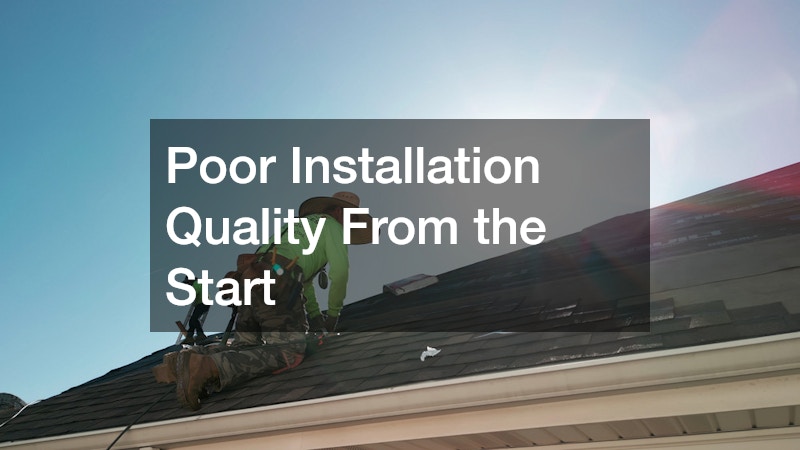
A huge percentage of early roof failures trace back to the day the roof was installed. Skipped underlayment, improper nailing patterns, and rushed flashing work create weaknesses that surface years later as leaks or wind damage. Unfortunately, these mistakes are often invisible until a problem forces you to look closer.
This is why choosing among roofing contractors carefully matters so much upfront. A rushed or underbid job might save money initially, but it often costs far more in premature repairs and replacement down the line.
- Nails driven at the wrong angle or depth, reducing shingle grip
- Missing or improperly overlapped underlayment
- Flashing installed without proper sealing around penetrations
- Ventilation gaps that trap heat and moisture in the attic
Inadequate Attic Ventilation and Airflow
Roofs don’t fail in isolation; they’re deeply connected to what’s happening underneath them in the attic. When hot, moist air gets trapped, it cooks shingles from below and accelerates deterioration far faster than sun exposure alone. Over time, this trapped heat can warp decking, rot support structures, and cause shingles to crack prematurely.
Proper intake and exhaust ventilation keeps air moving continuously, balancing temperature and humidity throughout the year. Many homeowners never think to check this until a professional points out uneven wear patterns tied directly to airflow problems.
- Blocked soffit vents restricting fresh air intake
- Insufficient ridge or exhaust ventilation at the roof’s peak
- Insulation accidentally covering vent openings
- Signs of heat damage concentrated in one section of the roof
Skipped or Delayed Routine Maintenance
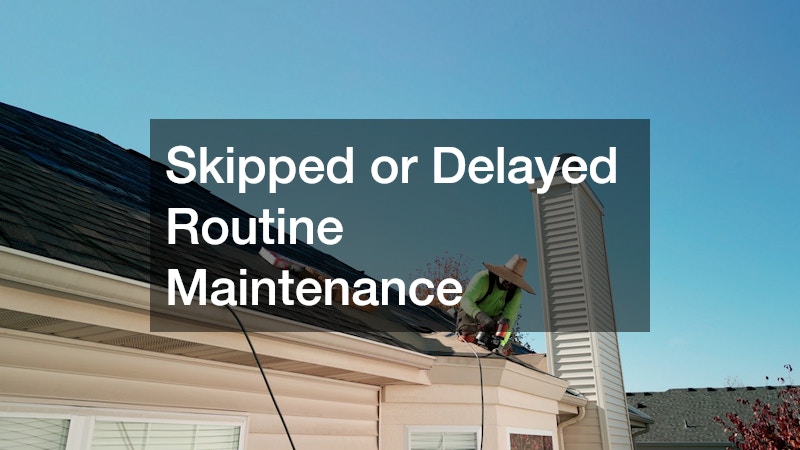
Roofs are not “install and forget” systems, yet many people treat them that way until something goes visibly wrong. Small issues like a lifted shingle, a clogged gutter, or a cracked sealant joint are easy and cheap to fix early, but they snowball into major structural problems when ignored. Regular inspections catch these small warning signs before they become expensive emergencies.
Scheduling a seasonal walkthrough with a local roofer is one of the simplest ways to extend your roof’s usable life. A trained eye can spot subtle wear that homeowners typically miss from ground level.
- Granule loss pooling in gutters or downspouts
- Soft spots or sagging along the roofline
- Cracked or missing sealant around vents and pipes
- Debris buildup trapping moisture against roofing material
Chimney Flashing and Masonry Deterioration
The area where your chimney meets the roofline is one of the most common points of failure, and it’s often overlooked during general roof checks. Flashing around a chimney can pull away from mortar joints due to temperature swings, settling, or age, creating a direct path for water intrusion. Once water gets behind this flashing, it can travel along rafters and cause damage far from the original entry point.
If you notice water stains near your fireplace or crumbling mortar around the chimney base, it’s worth arranging local chimney repairs before the surrounding roof deck absorbs more moisture. Addressing this junction early prevents a small leak from turning into a much larger structural repair.
- Rusted or separated flashing seams
- Cracked mortar joints allowing water penetration
- Efflorescence, or white staining, on chimney brick
- Ceiling stains near interior walls close to the chimney
Storm Damage That Goes Unnoticed
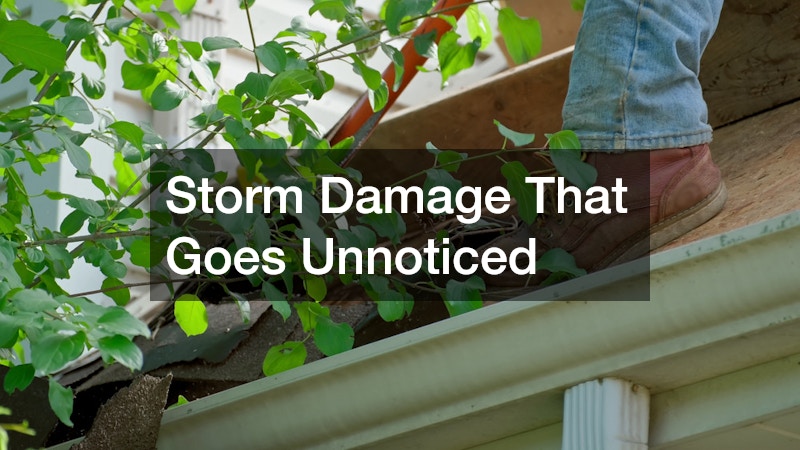
Hail, high winds, and falling debris can cause damage that isn’t obvious from the ground but still compromises your roof’s protective layers. Bruised shingles may look fine initially but lose their sealing ability and granule protection over time, leading to leaks months later. This delayed damage is one of the sneakiest reasons roofs fail earlier than expected.
After any significant storm, it’s worth having roofers inspect the roof surface up close rather than assuming everything is fine because there’s no visible leak yet. Catching storm damage early can also matter for insurance claims, which often have limited filing windows.
- Dented or bruised shingle surfaces from hail
- Lifted or creased shingles from wind uplift
- Dislodged granules exposing the asphalt layer beneath
- Debris impact marks near roof edges and valleys
Choosing the Wrong Material for Your Climate
Not every roofing material performs equally well in every environment, and mismatched materials fail faster no matter how well they’re installed. A roof that’s rated for 30 years in a moderate climate might only last 15-18 years if it’s the wrong fit for local conditions.
In desert regions like Arizona or Nevada, standard asphalt shingles absorb intense UV radiation and heat, causing the asphalt to dry out, crack, and lose granules years ahead of schedule. In these areas, clay tile or metal roofing handle the heat far better because they reflect sunlight instead of absorbing it.
Coastal and hurricane-prone areas present a different challenge entirely. Roofing materials here need wind ratings of 130 mph or higher, along with proper fastening systems, or they risk shingles lifting and tearing away in the first serious storm. Salt air also accelerates corrosion on unprotected metal fasteners and flashing, which can compromise the roof from the inside out.
Cold, snow-heavy climates create their own set of demands, since materials need to handle repeated freeze-thaw cycles and heavy snow loads without cracking or trapping moisture underneath. Matching material to climate — including checking manufacturer specs for temperature range, wind rating, and moisture resistance — is one of the most overlooked factors in long-term roof performance.
Not every roofing material is built for every climate, and that mismatch is one of the most common reasons roofs fail early. A material that thrives in a dry, mild region can deteriorate rapidly somewhere with heavy snow, salty coastal air, or scorching summers.
A metal roof, for example, tends to outperform traditional asphalt shingles in areas with heavy snowfall, high winds, or intense sun exposure. Its slick surface sheds snow and ice before it can accumulate into damaging weight, its panels can withstand wind speeds well beyond what shingles can handle, and its reflective coating helps deflect heat rather than absorb it. In contrast, standard shingles in extreme heat can soften, curl, and lose granules years ahead of schedule.
Other materials come with their own climate trade-offs worth considering. Clay tiles handle heat well but can crack under freeze-thaw cycles in colder regions, while wood shakes may be a poor fit for humid or wildfire-prone areas. Even the color and slope of a roof can influence how well it manages heat retention or water runoff.
When planning any major residential roofing project, discussing climate-specific material options with a professional can prevent choosing something that looks great but wears out too soon. A qualified contractor can weigh local weather patterns, building codes, and your home’s structure to recommend a material built to last in your specific environment.
- Asphalt shingles degrading faster under prolonged UV exposure, with intense sun exposure in southern states cutting a 20-year shingle’s real lifespan to 12-15 years
- Wood shake vulnerability in humid or wildfire-prone regions, where moisture feeds rot and algae while dry heat turns shakes into fire hazards without fire-retardant treatment
- Metal panel advantages in snow load and wind resistance, shedding heavy snow quickly and withstanding gusts up to 140 mph when properly fastened
- Tile roofing benefits in hot, dry climates, reflecting heat effectively and resisting UV damage, though it requires reinforced framing to handle its extra weight
- Freeze-thaw cycles cracking asphalt and concrete tiles in northern climates as trapped moisture expands and contracts
- Coastal environments accelerating corrosion on untreated metal fasteners and flashing, calling for marine-grade or coated materials
Structural Additions That Compromise Roof Integrity
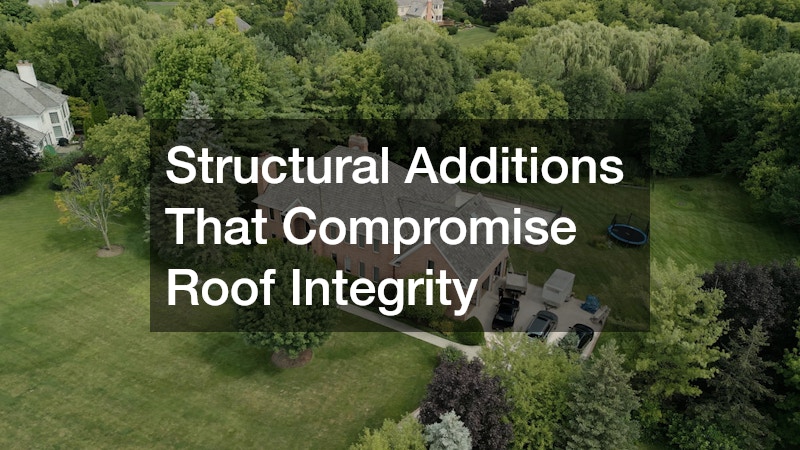
Homeowners often add features to their outdoor living spaces without considering how those changes interact with the existing roofline. Skylights, solar panels, and satellite mounts all require penetrations that, if not sealed correctly, become long-term leak points. Even something like a louvered roof addition over a patio can create drainage or attachment issues if it isn’t properly integrated with the main roof structure.
Before adding any structure that connects to or sits near your roofline, it’s worth having a professional assess how it will affect water flow and structural load. What seems like a simple backyard upgrade can quietly undermine the roof’s ability to shed water properly.
- Solar panel mounts creating new penetration points
- Skylights installed without adequate flashing
- Attached structures altering natural water runoff paths
- Added weight loads affecting long-term decking stability
Ignoring Early Warning Signs of Roof Failure
Many roofs that fail early actually gave plenty of warning before the damage became severe. Curling or cupping shingle edges usually mean the asphalt has lost its oils and can no longer shed water properly, even if no leak has appeared yet. Dark streaks are often algae or fungal growth that traps moisture against the roofing material, slowly breaking it down from the surface up.
Sagging sections are more serious, frequently pointing to weakened decking or trusses that have been absorbing water for months or years. Daylight visible through attic boards signals gaps or rot severe enough to compromise the roof’s structural barrier, not just a cosmetic flaw. Musty attic odors, granules collecting in gutters, and rusted flashing around chimneys or vents are equally telling signs that homeowners tend to dismiss.
Waiting too long to address these signs almost always increases the scope and cost of repair. A $300 flashing fix ignored for a year can turn into a $3,000 decking replacement once rot spreads. Catching these signals early, ideally through a biannual visual inspection, is one of the simplest ways to protect the investment already made in the roof.
Homeowners often treat curling shingles, granule loss, and small leaks as isolated nuisances rather than pieces of a bigger pattern. But when three or four of these symptoms show up within the same year, they usually point to a roofing system that’s failing across the board, not just in one spot. At that stage, chasing individual repairs becomes a losing game of financial whack-a-mole.
When these signs appear together, or when a roof is already close to the end of its expected lifespan, a full roof replacement often becomes more practical than continued patchwork repairs. As a rough guideline, if repair costs are creeping past 30-40% of what a full replacement would cost, or if the roof is within five years of its expected end-of-life, replacement is usually the smarter long-term investment.
Making that decision earlier rather than later can prevent water damage from spreading into insulation, framing, and interior ceilings. Delaying often means trading a predictable, budgeted roof replacement for an unpredictable emergency involving mold remediation, drywall repair, and possibly compromised structural components. What starts as a $500 repair can quickly snowball into a $15,000 problem once water finds its way into the parts of the house you can’t see.
- Shingles curling, cracking, or losing granules in patches — check gutters for gritty granule buildup, an early sign of shingles nearing the end of their protective coating
- Dark streaks or moss growth signaling trapped moisture — algae streaks are cosmetic but moss can lift shingle edges, letting water seep underneath
- Visible sagging along the roofline or ridge — even a slight dip often points to weakened decking or rafters, not just an aging surface
- Daylight or moisture visible in the attic space — inspect after rain for damp insulation, water stains on rafters, or a musty smell
- Rising energy bills without a clear cause — poor attic ventilation or hidden leaks can force HVAC systems to work harder than they should
- Missing or damaged flashing around chimneys, vents, and skylights — these are common entry points for leaks long before shingles show wear
Finding Trustworthy Help Before Small Problems Grow
One of the biggest reasons roofs fail early is simply that homeowners don’t know who to call, or wait too long to call anyone at all. Comparing a few roofing companies before committing to repairs or replacement helps you avoid both overpriced quotes and corner-cutting installations. Look for clear communication, proper licensing, and a willingness to explain exactly what they find during an inspection.
Building a relationship with a local roofing contractor you trust means problems get caught during routine visits rather than during emergencies. This kind of ongoing relationship often ends up being the single most effective way to avoid premature roof failure altogether.
- Verify licensing, insurance, and local references
- Ask for a written scope of work before any repair begins
- Request photos of damage found during inspections
- Compare at least two or three quotes for major work
Premature roof failure almost always has an identifiable cause, whether it’s poor installation, ignored maintenance, storm damage, or a structural mismatch with your climate. The good news is that most of these issues are preventable with regular inspections and timely repairs. Rather than waiting for a leak to force your hand, take a proactive look at your roof’s condition this season and address small issues before they become costly emergencies. Your roof protects everything beneath it, so giving it the attention it needs now will pay off in years of added life.