Upgrades to Turn Your House into a Forever Home
The decision to turn a house into a forever home represents a fundamental shift in how homeowners view residential real estate. Rather than making quick cosmetic tweaks aimed at short-term equity gains or temporary interior design trends, creating a lifelong sanctuary requires a deep focus on structural durability, systems resilience, and long-term physical accessibility. A forever home must be capable of adapting seamlessly as household needs change, body mobility shifts, and regional climate conditions evolve. By shifting focus from superficial finishes to essential infrastructure, homeowners build an environment that remains safe, efficient, highly functional, and deeply comfortable for decades to come.
Fortifying the Exterior Shell Against the Elements
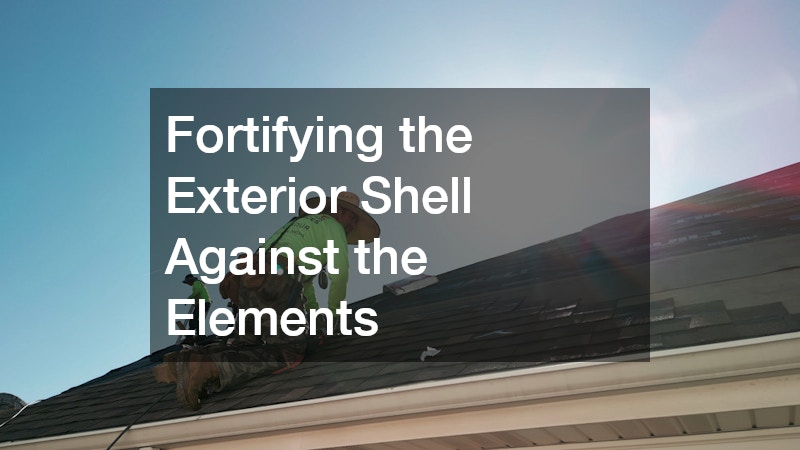
The exterior envelope serves as the primary line of defense against severe weather, extreme temperature swings, and structural wear. Over several decades, minor weaknesses in roofing, siding, and entry points can develop into water intrusion, rot, and mold outbreaks. Strengthening the outer shell begins at the highest point of the structure, where weather exposure is most intense. Engaging qualified local roofers allows homeowners to evaluate roof deck health, upgrade to high-impact shingles or standing-seam metal roofing, and install advanced synthetic underlayment that prevents water infiltration during severe rainstorms and freeze-thaw cycles.
Equally critical to protecting the outer envelope is securing the large structural openings that are vulnerable to wind loading and thermal energy loss. Modern garage door companies specialize in installing storm-rated, multi-layer insulated overhead doors that seal tightly against weather stripping and block driving rains. Upgrading to robust belt-driven opening systems equipped with integrated battery backups ensures continuous, exceptionally quiet operation even during power outages, keeping attached spaces temperature-stable and fully secured.
Beyond roof structures and overhead doors, comprehensive exterior fortification involves protecting wall cladding and drainage paths from moisture accumulation. Installing fiber cement siding creates a fire-resistant, rot-proof exterior layer that handles extreme moisture without swelling or warping like traditional wood. Pairing durable siding with oversized six-inch seamless aluminum gutters ensures that heavy rain runoff is captured cleanly and discharged well away from perimeter walls. Incorporating solid aluminum soffits and continuous ridge vents maintains optimal airflow through the attic, preventing summer heat buildup and winter ice dams.
-
Impact-Resistant Roofing Systems: Transition from basic asphalt shingles to Class 4 impact-resistant shingles or standing-seam metal panels engineered to withstand heavy hail and high winds.
-
High-Performance Synthetic Underlayments: Replace traditional felt paper with high-density polymer synthetic underlayment for superior tear resistance and an impenetrable water barrier.
-
Insulated Storm-Rated Garage Doors: Install heavy-duty polyurethane-insulated doors boasting high R-values to stabilize temperatures in attached spaces and lower whole-house energy loss.
-
Fiber Cement Wall Cladding: Swap rotting wood or thin vinyl siding for fiber cement boards that resist high humidity, extreme freezing, direct flame, and pest infestation.
Protecting Your Foundation and Subsurface Utilities
A house can only remain structurally safe for generations if its underlying foundation and underground utility lines remain stable. Subterranean issues are frequently neglected because they remain hidden from view until major failures occur, such as foundation settling, floor joist rot, or sewer line backups. Sub-floor environments demand moisture management to preserve load-bearing structural timbers and maintain healthy indoor air quality throughout upper living spaces. Partnering with professional crawlspace services allows homeowners to install heavy-duty 20-mil vapor barriers, clear standing water, encapsulate open ground, and operate commercial-grade dehumidifiers that suppress wood decay fungi and stop radon gas entry.
Deep below the surface of the yard, main wastewater drainage lines face continuous pressure from soil settling, ground movement, and invasive tree roots. Scheduling video camera scope inspections and contracting timely local sewer repairs ensures that aging clay or cast-iron drain pipes are lined with seamless epoxy resin or replaced entirely before complete pipe collapse occurs. Addressing underground pipe degradation early protects indoor plumbing systems from sewage backups and saves expensive yard landscaping from aggressive trenching operations down the road.
In addition to crawlspace vapor barriers and sewer line maintenance, long-term foundation preservation requires managing exterior surface water runoff around the perimeter of the home. Grade sloping around foundation footings should drop at least six inches over the first ten feet to prevent rainwater from pooling against concrete walls. Installing external french drains or perimeter drain tile networks intercepts high water tables and directs subsurface groundwater to dedicated sump pump basins. Adding dual sump pump units equipped with automatic battery switches guarantees continuous groundwater removal even during power grid failures.
-
Complete Sub-Floor Encapsulation: Seal crawlspace earth with thick reinforced polyethylene liners and cap foundation vents to completely isolate sub-floor framing from ambient humidity.
-
Dual Sump Pump Systems: Install primary and secondary sump pumps fitted with dual float switches and dedicated battery backup power to maintain uninterrupted drainage during power loss.
-
Trenchless CIPP Pipe Rehabilitation: Renew worn underground sewer lines using cured-in-place pipe lining technology that creates a continuous, jointless, root-proof interior conduit.
-
Perimeter French Drain Installation: Excavate around foundation footings to lay perforated pipe surrounded by washed drainage stone, directing subsurface water safely away from concrete walls.
Upgrading Core Mechanical and Water Systems
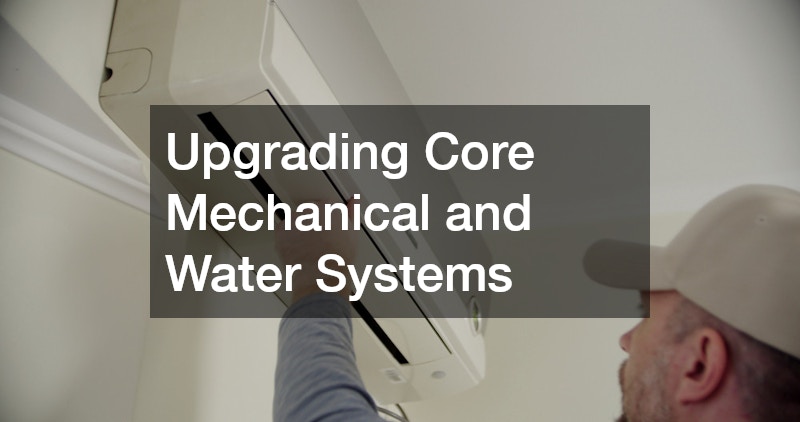
Mechanical systems dictate the daily operational efficiency, indoor air quality, and physical comfort of a home over long horizons. When climate control or water delivery networks fail unexpectedly, daily life grinds to an immediate halt, accompanied by stress and expensive emergency callout fees. For properties operating on private water wells, long-term stability requires maintaining clean, reliable, and pressurized water delivery. Coordinating with experienced water well pump services ensures that legacy jet pumps are upgraded to modern constant-pressure variable frequency submersible pumps, accompanied by oversized pressure tanks and multi-stage filtration arrays that deliver pristine water pressure to every fixture in the home.
Heating and air conditioning equipment must also be modernized to handle shifting climate extremes without consuming excessive energy or generating high monthly utility bills. Contracting comprehensive HVAC services enables homeowners to replace aging furnaces and split air units with modern dual-fuel heat pumps, integrated MERV 13 air filtration, and sealed ductwork networks. These advanced climate management systems automatically optimize indoor humidity levels, capture airborne allergens, and deliver consistent, balanced heating and cooling across every room at a fraction of traditional operational costs.
To further elevate mechanical infrastructure, long-term home planners should consider transitioning from tank-style water heaters to high-efficiency tankless water heating configurations. Tankless units eliminate the continuous energy standby loss of keeping fifty gallons of water heated around the clock, while removing the risk of catastrophic water tank ruptures inside the home. Pairing tankless units with whole-house water softeners protects heating coils and interior plumbing pipes from hard mineral scale buildup. Integrating smart leak detection shutoff valves on main supply lines adds an extra layer of protection, automatically cutting the main water supply off if unexpected pipe ruptures occur.
-
Constant-Pressure Well Pump Systems: Upgrade to variable-speed submersible well pumps that adjust motor output to real-time water usage, keeping indoor tap pressure consistent.
-
Dual-Fuel Heat Pump Technologies: Pair high-efficiency electric heat pumps with auxiliary gas furnaces to deliver optimized heating in deep winter while keeping energy bills low.
-
Air Duct Sealing and Balancing: Pressure-test ductwork systems to seal hidden joint leaks with aerosol sealant, balancing airflow to eliminate hot and cold spots across living areas.
-
Whole-Home Water Treatment Arrays: Install multi-stage filtration featuring sediment pre-filters, water softeners, and ultraviolet purifiers to protect plumbing and supply clean drinking water.
-
Smart Multi-Zone Environmental Controls: Deploy smart thermostats with remote room sensors to manage heating and cooling independently across distinct thermal zones of the home.
Reimagining Layouts for Accessible Forever Living
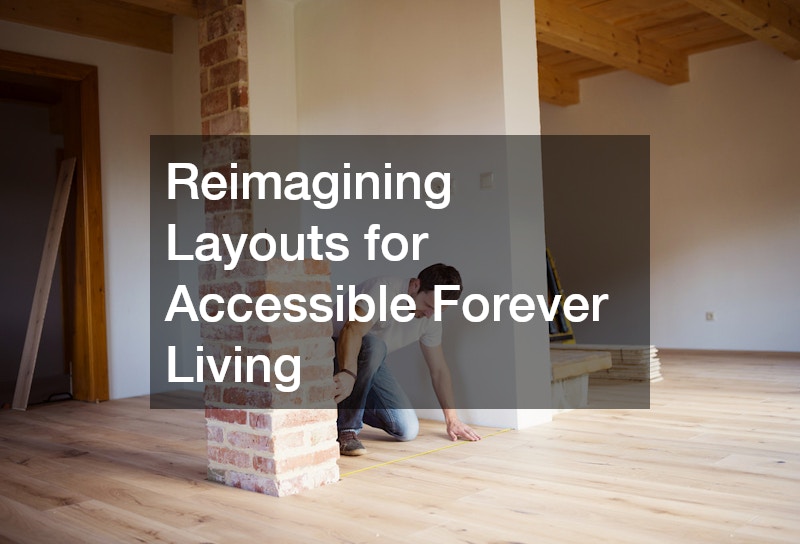
Physical mobility and personal needs can change unexpectedly over time due to aging, injuries, or health conditions, making traditional residential layouts difficult or dangerous to navigate. A forever home must incorporate universal design principles that allow family members of all ages and physical abilities to move freely without encountering steps, narrow doorways, or tight turns. Enlisting skilled local remodeling services allows homeowners to strategically reconfigure core living spaces, expand hallway frames to a minimum of 36 inches, install zero-threshold exterior doorways, and convert main-floor rooms into full primary suites that eliminate the daily necessity of climbing stairs.
Functional accessibility is especially critical in kitchen spaces, where everyday meal preparation requires frequent reaching, bending, lifting, and standing. Installing custom-engineered kitchen cabinets outfitted with full-extension soft-close drawers, pull-down upper rack inserts, and deep pull-out pantry shelves ensures that every utensil, pot, and food container remains easily accessible without physical strain. Selecting ergonomic D-shaped cabinet pulls over traditional small round knobs further simplifies opening doors for individuals dealing with arthritis or limited grip strength.
Transitioning primary bathrooms into universally accessible wet rooms is another vital component of lifetime layout design. Curbless walk-in showers eliminate tripping hazards associated with stepping over high bathtub walls, while built-in shower benches and handheld spray heads provide comfortable bathing options. Installing solid wood blocking behind drywall during bathroom renovations ensures sturdy mounting anchors for decorative grab bars near toilets and shower zones. Positioning comfort-height toilets and vanities at accessible heights creates a bathroom layout that remains usable across every stage of life.
-
Zero-Step Entrance Paths: Regrade exterior walkways or build gently sloped stone threshold paths to create seamless, step-free entry through the primary door.
-
Curbless Walk-In Wet Rooms: Rebuild primary bathrooms with flat curbless shower bases, slip-resistant floor tile, linear trench drains, and integrated seating bench niches.
-
Wall Blocking for Safety Bars: Install heavy plywood backing behind bathroom drywall during construction to provide secure attachment points for grab bars whenever needed.
-
Expanded Hallways and Doorways: Expand interior door openings and main circulation hallways to 36 inches wide to comfortably clear wheelchairs, walkers, and bulky furniture.
-
Main-Level Master Suite Layouts: Reallocate ground-floor square footage to incorporate a primary bedroom, laundry closet, and full accessible bath, allowing complete single-level living.
Enhancing High-Traffic Surfaces and Core Appliances

The materials selected for interior surfaces, flooring, and appliances determine how much effort and money homeowners spend on maintenance over decades. High-maintenance natural stones and cheap builder-grade appliances wear out prematurely under daily use, requiring frequent repairs or delicate chemical care. Upgrading to non-porous engineered countertops made from high-density quartz or sintered stone provides exceptional resistance against cookware heat, sharp scratches, impact chipping, and dark stains, permanently eliminating the chore of yearly chemical sealing.
Alongside resilient stone surfaces, selecting commercial-grade or highly repairable appliances ensures reliable long-term kitchen and laundry performance. Relying on prompt, professional appliance repairs for minor component replacements—such as worn water valves, heating elements, or door gaskets—extends the operating lifespan of high-end cooktops and built-in units without needing total replacements. This proactive maintenance mindset avoids premature appliance disposal, lowers lifetime replacement expenses, and keeps core household machines operating at peak performance.
Flooring selections also play a major role in establishing a low-maintenance living space over long timeframes. Replacing stain-prone carpeting with high-grade luxury vinyl plank or commercial porcelain tile creates a floor surface that handles heavy foot traffic, pet claws, and liquid spills without showing wear. Solid-core interior doors should replace hollow doors to improve sound insulation between rooms. Installing touchless faucets in kitchens and bathrooms reduces water waste while making washing tasks effortlessly accessible.
-
Engineered Quartz and Sintered Stone: Install non-porous quartz surfaces for kitchen counters and vanities to resist heat, staining, and scratching without chemical sealants.
-
Solid-Core Composite Interior Doors: Replace hollow doors with solid-core doors to dramatically enhance room-to-room soundproofing, insulation, and durability.
-
Commercial-Grade Resilient Flooring: Lay down luxury vinyl plank or porcelain tile rated for heavy residential traffic to prevent scratching, water staining, and surface wear.
-
Precision Induction Cooktops: Upgrade to smooth magnetic induction cooktops that heat pans directly, providing instant temperature response and easy-to-clean flat surfaces.
-
Touchless Architectural Faucets: Equip sinks with motion-activated or touch-sensitive solid brass faucets with ceramic disc valves to reduce water usage and eliminate dripping.
Transforming a standard residence into a true forever home is one of the most rewarding and practical investments a property owner can make. By shifting focus away from temporary cosmetic trends and directing resources toward foundational strength, mechanical efficiency, and universal physical accessibility, you create a living environment capable of supporting your family through every phase of life. Protecting structural integrity from the top of the roof deck down to deep subterranean utility lines safeguards your financial equity while delivering complete peace of mind.
A successful home transformation does not need to happen overnight in a single disruptive renovation project. Prioritizing projects based on immediate structural vulnerabilities, mechanical age, and long-term utility savings allows homeowners to execute upgrades systematically in manageable phases over time. By taking a deliberate, practical approach to building fortification, layout optimization, and core utility maintenance, your house will evolve into a safe, comfortable, and resilient sanctuary that stands strong for generations to come.