Complete Checklist for Boosting Your Houses Curb Appeal
Pulling up to your home at the end of a long day should bring a sense of pride, not a silent mental list of growing chores. Curb appeal is often talked about as a superficial trick for real estate listings—a fresh coat of paint here, a pot of bright annuals there. In reality, true curb appeal goes much deeper than surface-level staging. It reflects structural health, thoughtful maintenance, and the overall care given to a property over time.
When a house looks sharp from the street, it sends a clear signal that everything behind the front door is equally well maintained. Conversely, cracked walkways, sagging gutters, and sun-faded walls subtly signal neglect, even if your interior is impeccably remodeled.
The biggest challenge most homeowners face isn’t a lack of desire to improve their home’s exterior; it is knowing where to start. When you step back to evaluate your property, the sheer volume of potential projects can feel overwhelming. Should you focus on the dying lawn, the dated front door, or the aging shingles overhead? Taking a piecemeal approach often leads to visual mismatch—like installing a high-end custom entry door next to peeling wall panels and an oil-stained driveway.
To create a cohesive, inviting exterior that protects your financial investment, it helps to break the property down into manageable visual zones: the upper structure, the core entry points, the hardscapes beneath your feet, and the surrounding natural landscape.
Conducting a Visual Overhead Inspection

Stand across the street on a clear afternoon and take a deliberate look at the upper third of your house. It is easy to overlook the upper structure because we spend our time at eye level, but the roof line defines your home’s silhouette against the sky. Streaks of dark algae, missing shingles, or misaligned flashing pull the eye upward for all the wrong reasons, making an otherwise stunning home look tired and weather-beaten.
To assess the situation safely without climbing a ladder immediately, grab a pair of standard binoculars. Scan the roof planes in a grid pattern, looking specifically for curled shingle edges, uneven lines along the ridges, and biological growth tucked into shaded valleys. Organic matter like moss acts like a sponge, holding moisture directly against roofing materials and degrading them prematurely.
While small surface cleanings can sometimes be handled with soft-wash solutions, structural signs of wear require expert eyes. Bringing in a qualified roofer to conduct a thorough structural evaluation ensures that subtle issues—like deteriorating underlayment or compromised chimney seals—are caught before they turn into costly interior leaks. Addressing these overhead flaws restores clean, sharp lines to your home’s top profile, instantly refreshing its overall silhouette.
Refreshing Exterior Walls and Cladding
Once the top line is secure, turn your attention to the expansive vertical surfaces that make up the body of your home. Dirt, pollen, road dust, and mildew slowly build up on siding over years, creating a dull gray or yellowish cast that homeowners often get used to without realizing how much vibrant color has been lost.
A thorough wash is the fastest way to reveal the true state of your exterior walls. However, approach pressure washing with caution. Blasting high-pressure water directly at vinyl, fiber cement, or historic wood can force water behind the protective barrier, causing hidden rot and mold. Opt for a gentle soft-wash technique using specialized cleaning solutions that break down organic grime without damaging the underlying material.
If washing reveals cracked boards, warped vinyl panels, or permanent fading from sun exposure, simple cleaning will no longer suffice. Working alongside an experienced local siding contractor allows you to explore modern cladding materials that offer better insulation and crisp architectural shadow lines. Scheduling a professional siding service to repair or replace compromised sections completely resets the visual foundation of your home, turning weathered walls into a clean, modern canvas for the rest of your upgrades.
Redesigning the Primary Entryway
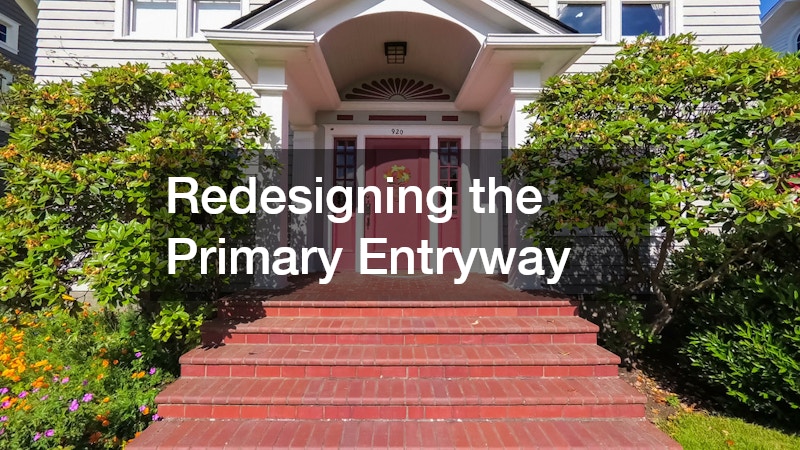
Imagine walking up to a home where the main entrance is tucked into shadow, painted a dull builder-grade beige, and flanked by a rusted light fixture. It feels uninviting. Now imagine that same home with a rich, wood-toned entry point, warm lantern light casting a soft glow across clean slate steps, and bold matte-black hardware. The difference in emotional response is immediate. Your front entrance is the natural focal point of your home’s exterior—it is where guests pause, where eyes naturally settle from the street, and where architectural character speaks loudest.
Transforming this space effectively requires a balance of color theory, lighting design, and material selection:
- Establish Visual Anchor Points: Choose a door color that creates a deliberate, sophisticated contrast with your main exterior walls. Dark navy, deep forest green, or rich wood tones pull the eye directly toward the entrance.
- Upgrade Architectural Hardware: Swap out dated, tarnished door handles and deadbolts for modern finishes like oil-rubbed bronze, brushed brass, or matte black. Ensure your house numbers match this finish for design continuity.
- Layer Functional Illumination: Replace undersized single lights with warm, proportional sconces on both sides of the frame to eliminate harsh shadows and create an inviting nighttime glow.
- Frame the Approach with Greenery: Position large, heavy planters at varying heights alongside the threshold, planting evergreen species that offer structure and vibrant color across all four seasons.
When the existing frame is warped, drafty, or beyond simple cosmetic repair, replacing outdated exterior doors provides a rare dual benefit: it dramatically raises your home’s visual appeal while instantly boosting thermal efficiency and entryway security.
Modernizing Window Profiles and Openings
Windows are often described as the eyes of a home, yet they are frequently neglected during exterior overhauls. Broken seals that create foggy glass, chipped paint along muntins, and outdated storm shutters drag down the entire facade. Cleaning glass inside and out is the bare minimum; elevating your curb appeal means looking at how your window openings interact with the overall architectural style of the building.
Consider adding architectural depth around plain window frames. Installing wide trim casings painted in a crisp, contrasting white or deep charcoal grounds the glass panes visually, preventing them from appearing swallowed by expansive wall surfaces. If your home’s style permits, adding proportional shutters—sized so they look like they could actually close over the window—adds charm and historical weight.
For homes exposed to harsh seasonal weather or coastal winds, functional upgrades can be seamlessly blended with aesthetic ones. Upgrading aging double-hung units to high-performance impact windows removes the need for unsightly storm panels or external shutters while instantly modernizing the overall elevation. The result is a clean, continuous glass surface that reflects natural sunlight beautifully while keeping the interior silent, secure, and well-insulated year-round.
Remediating Compromised Walkways and Flatwork
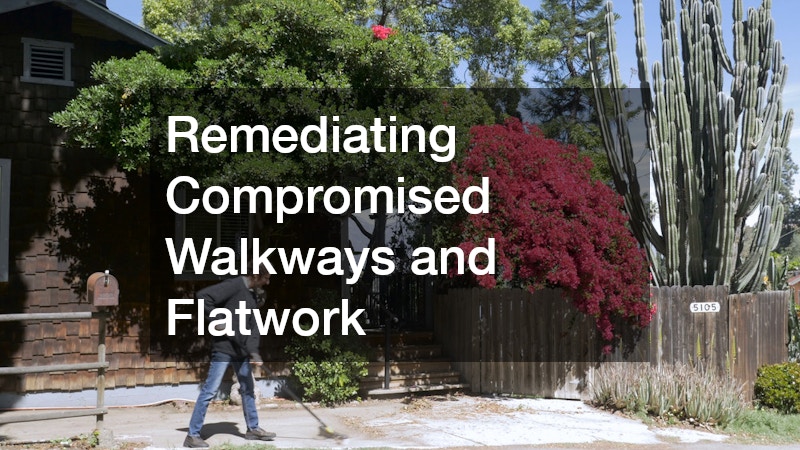
Picture a newly painted house with a pristine front porch—marred by a front walkway that is pitted, cracked, and unevenly settled. Hardscape surfaces form the visual gray-space of your property. When they are cracked or shifting, they give an impression of structural neglect that no amount of colorful flowerbeds can cover up. Worse, settled slabs create tripping hazards that pose real liability risks for visitors and delivery carriers alike.
Fixing these ground-level issues begins with a clear-eyed assessment of damage severity:
- Hairline Surface Cracking: Can usually be cleaned, filled with elastomeric masonry sealant, and top-coated with a textured acrylic seal for a uniform, like-new appearance.
- Spalling and Pitting: Often caused by winter salt exposure; requires light resurfacing with a polymer-modified concrete overlay to restore smooth texture.
- Deep Structural Settling: Occurs when underlying soil washes away or roots heave slabs upward. Slabs dropped or raised more than an inch require structural intervention.
When flatwork is severely shattered, sunken, or out of alignment with current drainage requirements, attempting temporary patch repairs is a waste of time and money. Bringing in a professional concrete removal service allows you to clear away broken, unsalvageable slabs quickly and safely. Once the degraded material is gone, you gain a clean slate to install custom paver walkways, stamped concrete pathways, or natural stone steps that seamlessly guide guests toward your front door.
Restoring Driveway Surfaces and Borders
Your driveway takes up a massive percentage of your front yard’s visual real estate. It is often the very first hard surface visitors interact with when pulling up to your property. A driveway stained with dark engine oil, riddled with spiderweb cracks, or crumbling at the edges visually degrades even the most meticulously maintained architectural home.
Restoring this crucial area requires addressing both function and form. Start by evaluating the slope and edge control. Over time, heavy vehicular traffic pushes asphalt and concrete outward, causing edges to fray into nearby turf. Soil erosion along the sides leads to hollow pockets beneath the surface, which quickly turn into deep potholes under the weight of daily vehicles.
Remediating these issues often calls for a full surface overhaul. Investing in professional driveway paving provides a smooth, durable, dark finish that frames your front lawn cleanly. To maximize durability and design aesthetic, consider framing your newly paved driveway with a cobble or Belgian block border. This decorative edge holds asphalt firm against lateral pressure, prevents grass encroaching onto the parking area, and adds a high-end custom feel that elevates the entire front aspect of your property.
Balancing Upper Tree Canopies and Daylight Flow

A common curb appeal mistake is allowing landscape trees to grow untamed until they completely swallow the house. While mature trees add immense value, beauty, and shade, an overgrown canopy casts dense, gloomy shadows over the facade. Overhanging limbs drop organic debris into gutters, scrape against roof shingles during windstorms, and block natural daylight from reaching windows and lawn turf below.
The key to managing large trees lies in strategic canopy lifting and crown thinning:
- Crown Lifting: Carefully removing the lower branches of mature trees up to eight or ten feet off the ground. This opens line-of-sight across the yard, revealing architectural details of the home while allowing low-angled sunlight to reach the grass below.
- Crown Thinning: Selectively pruning inner, crossing, or weak branches throughout the upper canopy. Thinning allows light and air to pass through the tree freely, reducing wind resistance during severe storms while brightening the shadow cast over the front yard.
- Clearance Trimming: Establishing a strict ten-foot buffer between outward branch tips and your home’s roofline to block climbing pests and prevent shingle abrasion.
Maintaining the delicate balance between structural integrity, tree health, and aesthetic beauty takes specialized knowledge. Consistent, ongoing tree care ensures your large specimens remain healthy, balanced, and structurally sound through severe weather seasons. For complex canopy pruning or working around power lines, relying on professional tree services guarantees that heavy limbs are removed safely without risking damage to your roof, windows, or lawn.
Eliminating Invasive Growth and Hazard Trees
Not every tree on your property contributes positively to your curb appeal or structural safety. Self-seeded saplings popping up too close to foundation walls, diseased trees shedding major limbs, and aggressive root systems lifting nearby hardscapes can turn from minor eyesores into severe property hazards very quickly.
Consider a scenario where a massive, half-dead pine sits in the front corner of a lot. Its dropping needles acidify the soil so no grass will grow underneath, its dying branches look barren eight months out of the year, and its invasive lateral roots are slowly cracking the adjacent front walkway. No amount of decorative mulch, beautiful front door paint, or high-end lighting will make up for the sense of decay projected by that single compromised tree.
Removing aggressive hazards frees up sunlight, soil nutrients, and physical space for vibrant new landscaping. When a tree is structurally unsound, dying from pest infestation, or growing directly into utility wires, attempting DIY removal with a simple chainsaw is extremely dangerous. Contracting a certified expert for total tree removal allows heavy timber to be brought down safely in controlled sections. Following up with complete stump grinding allows you to reclaim valuable front yard space, re-seed lush green turf, or design clear plant beds that frame your home’s best architectural features.
Sustaining Your Exterior Investment for Long-Term Value
Boosting your home’s curb appeal is not a one-time project; it is an ongoing strategy that preserves property value, improves security, and brings daily satisfaction every time you turn into your driveway. By systematically evaluating your property from the top down—securing your roof, refreshing your cladding, highlighting core entry points, leveling hardscapes, and shaping your natural landscape—you turn an overwhelming renovation process into an organized series of impactful wins.
The secret to maintaining high curb appeal is consistency. Establish a seasonal inspection routine every spring and autumn. Walk your property boundaries with a camera or notepad, taking note of fresh paint chips, shifting pavers, untamed tree limbs, or dirty window glass before small cosmetic flaws evolve into major structural repairs.
Investing in high-quality materials and working with experienced tradespeople protects the structural integrity of your home while ensuring your exterior updates withstand years of seasonal weather. When you treat your house’s exterior as a unified system rather than a series of disconnected projects, you create a warm, polished environment that welcomes you home every day while standing out as a premier property on your block.