How to Keep Your Custom-Built Home Running Smoothly From Day One
Building a custom home is an opportunity to create a space around your lifestyle, preferences, and long-term goals. Instead of adapting an existing floor plan to your needs, you can make decisions about the layout, materials, storage, technology, finishes, and major systems before construction is complete. However, the work does not end when you receive the keys.
A newly built home still requires ongoing attention to keep everything operating properly. Establishing good maintenance habits from the beginning can help protect your investment, identify small problems before they become expensive repairs, and keep your home comfortable throughout the seasons. From documenting your home’s systems to staying ahead of maintenance, a little organization can make homeownership much easier.

Understand Your Home’s Major Systems
One of the first things homeowners should do after moving into a newly constructed property is learn how the house works. A custom home may contain systems and features that are different from those found in other houses, so understanding their purpose and maintenance requirements is important.
Ask your builder for documentation covering major equipment, appliances, warranties, finishes, and installed systems. Keep information about heating and cooling equipment, water heaters, electrical components, appliances, roofing materials, windows, doors, and other significant features in one convenient location.
You should also learn where important shutoffs are located. Knowing how to turn off the home’s main water supply can be valuable during a plumbing emergency. Similarly, understanding the electrical panel and individual breakers can make it easier to respond to an electrical issue.
If your home includes specialized technology, make sure you understand how those systems operate before you need to troubleshoot them. Smart thermostats, security systems, water treatment equipment, generators, irrigation systems, and other features may require specific maintenance or settings.
Create a Preventive Maintenance Schedule
Waiting until something breaks is rarely the best maintenance strategy. Instead, create a schedule that accounts for tasks throughout the year. Some responsibilities may need attention monthly, while others can be handled once or twice annually.
Start with simple recurring tasks. Replace or clean HVAC filters according to the manufacturer’s recommendations, test smoke and carbon monoxide detectors, inspect visible plumbing connections, and check for signs of moisture around appliances and fixtures.
Seasonal maintenance is equally important. Before winter, inspect weatherstripping, exterior faucets, heating equipment, and exposed pipes. Before summer, check cooling equipment, outdoor drainage, irrigation components, and exterior areas that may have experienced winter damage.
A written schedule makes it easier to keep track of these responsibilities. You can also maintain records of professional inspections and repairs so you know when different systems were last serviced.

Protect Your Water Supply
Water is essential to almost every part of a home, and problems with water quality or distribution can affect appliances, plumbing fixtures, and everyday comfort. If your property has specialized filtration equipment, learn exactly how it should be maintained.
For homeowners interested in improving water quality, home water filtration systems can provide treatment for specific concerns depending on the equipment selected. Follow the manufacturer’s replacement and maintenance recommendations rather than assuming every system has the same requirements.
Pay attention to changes in water pressure, taste, odor, or appearance. These changes do not necessarily mean there is a major problem, but they can be a reason to investigate the home’s water supply or treatment equipment.
You should also know the location of your water shutoff valves. A leaking fixture or damaged pipe can become much more serious if water cannot be stopped quickly.
Stay Ahead of Plumbing Problems
A new home is not immune to plumbing issues. Even a carefully constructed property can eventually experience a leaking connection, clogged fixture, worn component, or other problem.
Keep an eye on faucets, toilets, showers, sinks, and exposed pipes. Dripping fixtures, slow drainage, unusual noises, damp cabinets, water stains, and unexplained increases in water usage can all deserve attention.
Addressing minor issues early can help prevent them from becoming larger problems. Professional plumbing repairs may be appropriate when a leak, damaged component, or other issue requires more than a simple adjustment or replacement.
Avoid treating recurring problems as isolated incidents. If a toilet repeatedly backs up or a fixture continues leaking after a repair, the underlying issue may need to be investigated rather than repeatedly patched.
Keep Drains Flowing Properly
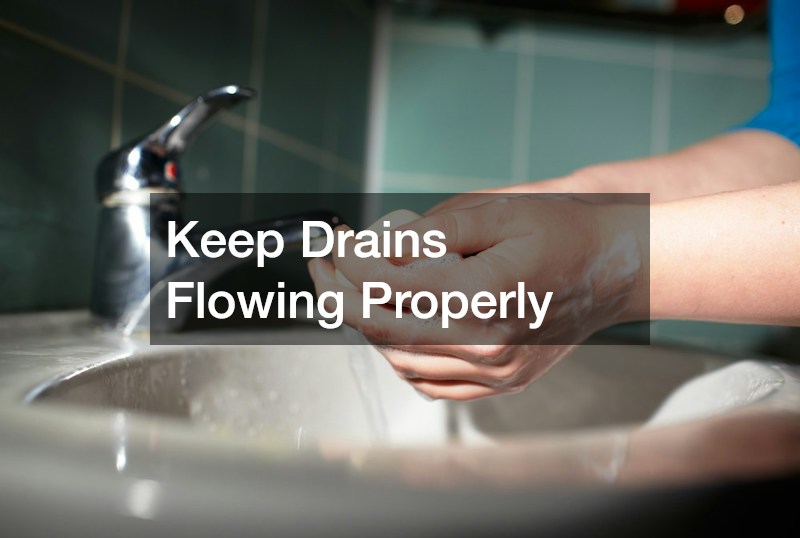
Drainage problems are another maintenance concern that homeowners should not ignore. Hair, soap residue, grease, food particles, and other materials can accumulate over time and restrict water flow.
Use drain covers where appropriate to reduce the amount of debris entering household drains. In kitchens, avoid putting grease and large food particles down the sink. Bathrooms should receive regular attention to prevent hair and other materials from accumulating in the plumbing.
If several drains become slow at the same time, that can indicate a larger issue within the plumbing system. A professional drain cleaning service can assess the problem and determine whether buildup or another obstruction is affecting drainage.
Taking action when drainage first becomes noticeably slower is generally better than waiting for a complete blockage.
Take Electrical Safety Seriously
A custom home may include extensive lighting, smart-home technology, specialty appliances, outdoor features, and other electrical components. These additions make the home more functional, but they also make it important to understand the electrical system.
Learn which breakers correspond to major areas and equipment. Keep the electrical panel accessible and clearly labeled. Avoid overloading outlets or relying heavily on extension cords for permanent installations.
Homeowners should also pay attention to warning signs such as frequently tripped breakers, buzzing sounds, burning odors, flickering lights, warm outlets, or unexplained power interruptions.
Professional electrical services can help address issues that go beyond basic homeowner maintenance. Electrical work should be handled carefully because improperly performed repairs can create serious safety hazards.

Build a Relationship With Reliable Professionals
You do not need to wait for an emergency before finding qualified professionals to help maintain your home. Establishing relationships with dependable service providers early can make future maintenance much easier.
For electrical concerns, having a local electrician you trust can be especially useful. Rather than trying to identify someone while dealing with an urgent issue, you can already have a professional available when a problem arises.
The same principle applies to plumbing, heating and cooling, roofing, landscaping, pest control, and other services. Keep contact information, warranties, service records, and inspection reports together so you can access them quickly.
A reliable network of professionals can also help you understand which maintenance tasks should be performed periodically and which problems require immediate attention.
Monitor the Roof and Exterior
The roof is one of the home’s most important protective features. It shields the structure from rain, snow, wind, sunlight, and other environmental conditions, so it should receive regular attention even when the home is relatively new.
Look for missing or damaged shingles, damaged flashing, visible debris, clogged gutters, or signs of water intrusion. You do not necessarily need to climb onto the roof to inspect it. A visual assessment from the ground can help identify obvious concerns.
Proper roofing maintenance can help protect the structure beneath it. Keep gutters and downspouts clear so water can move away from the home effectively. Pay attention to areas around chimneys, vents, skylights, and other roof penetrations.
After severe storms, inspect the exterior for visible damage. If something appears unusual, have a qualified professional evaluate it rather than assuming the problem is minor.
Manage Pests Before They Become a Problem
Even a brand-new home can attract insects and other pests. Landscaping, moisture, food sources, gaps around openings, and seasonal conditions can all contribute to pest activity.
Keep vegetation trimmed away from the home’s exterior and avoid allowing standing water to remain around the property. Inspect screens, doors, windows, and other potential entry points periodically.
Ticks deserve particular attention in properties with yards, wooded areas, or landscaping that creates favorable conditions for them. If tick activity becomes a recurring concern, a tick control company can evaluate the property and recommend appropriate treatment options.
The goal is not simply to respond after pests appear inside the house. Regular exterior maintenance and professional prevention can help reduce opportunities for unwanted visitors.
Plan for Moving and Household Changes
Your home may be custom-built around your current needs, but your household can change over time. Furniture may be replaced, family members may move in or out, and rooms may eventually serve different purposes.
When moving large furniture or appliances, protect floors, walls, doors, and corners from unnecessary damage. This is especially important in a new home where finishes may be vulnerable to scratches, dents, and other damage.
If you use professional moving companies, communicate any special requirements in advance. Large furniture, delicate finishes, narrow passages, stairs, and oversized items may require additional planning.
It can also be helpful to keep original flooring, paint, countertop, appliance, and fixture information. If something needs to be repaired or replaced years later, knowing the exact material or product can make matching it much easier.
Handle Construction Waste Responsibly
Home projects often continue after the builder leaves. You may install shelving, finish landscaping, organize storage areas, or make other improvements that generate waste.
Rather than allowing construction debris to accumulate around the property, determine the most appropriate disposal method before starting a project. Dumpster rental companies can provide different container sizes depending on the type and amount of waste involved.
Proper disposal keeps work areas safer and makes it easier to maintain an organized property. It can also prevent debris from damaging landscaping, blocking walkways, or becoming a hazard for children and pets.
For larger projects, estimate the amount of material that will be removed before selecting a container. Planning ahead can help avoid unnecessary delays during a renovation or cleanup.
Follow Your Builder’s Recommendations
Your builder understands how the home was constructed and which materials and systems were installed. Their maintenance recommendations can therefore be an important resource during the first several years of ownership.
Keep your warranty information readily available and understand what is covered. If you notice a potential construction issue, document it with photographs and contact the appropriate party promptly.
This is particularly important during the early stages of ownership. A small issue may be easier to correct when it is first identified rather than after it has caused secondary damage.
Your custom home builder may also be able to provide information about materials, equipment, finishes, and maintenance procedures that are specific to your property. Keep those records with your other home documents.
Keep Your Home’s Records Organized
Home maintenance becomes significantly easier when important information is organized. Create a home maintenance folder, whether physical or digital, that includes warranties, receipts, inspection reports, manuals, contractor information, product details, and maintenance records.
Consider keeping a list of major systems along with installation dates and service history. This can help you determine when equipment may need inspection or replacement.
Photographs can also be useful. Take pictures of utility connections, shutoff valves, electrical panels, mechanical rooms, and other areas before they become difficult to access. These images can provide useful reference points when troubleshooting a problem or communicating with a professional.
Watch for Small Changes
Perhaps the most valuable habit for a new homeowner is simply paying attention. You live in the home every day, which means you are often the first person to notice when something changes.
A new stain on the ceiling, a door that suddenly sticks, a strange odor, a change in water pressure, an unfamiliar sound from mechanical equipment, or a noticeable increase in energy use can all be clues that something deserves attention.
Not every unusual change means there is a serious problem. However, noticing and investigating changes early gives you more opportunities to address potential issues before they become disruptive.
Make Maintenance Part of Homeownership
A custom-built home is designed to provide comfort, functionality, and long-term value, but keeping those qualities intact requires consistent care. The best approach is not to wait for something to fail. Instead, understand your home’s systems, follow maintenance schedules, protect critical components, and develop relationships with trusted professionals.
From water and electrical systems to exterior surfaces and pest prevention, each part of the property contributes to how well the home performs. By building good maintenance habits from day one, homeowners can protect their investment while making everyday life more comfortable and predictable.
The goal is simple: enjoy the home you worked so hard to build while giving its most important systems the attention they need to continue working properly for years to come.