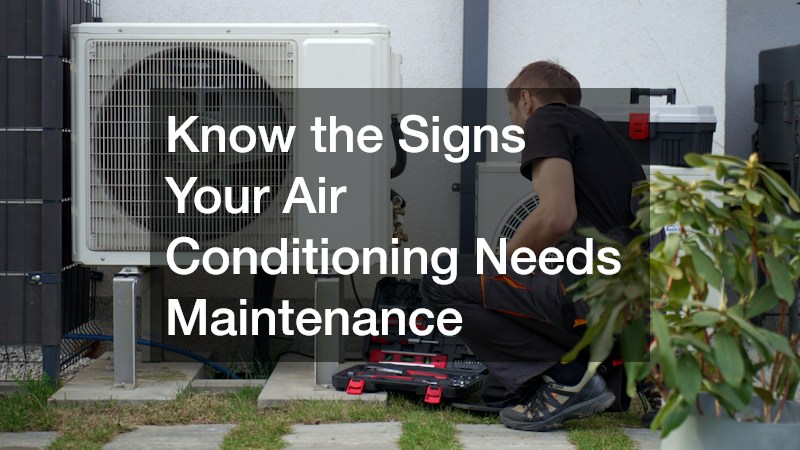
Is It Time for Air Conditioning Service and Maintenance?
As the warmer months approach, many homeowners begin to think about the comfort of their indoor environment. The significance of a well-maintained air conditioning (AC) system becomes increasingly apparent when temperatures rise. Proper service and maintenance of your air conditioning not only ensure optimal performance and energy efficiency but also prolong the lifespan of your unit.
How Often Should I Service My Air Conditioning Unit?
Regular air conditioning service is pivotal to maintaining an efficient system. Experts recommend that a professional technician inspect and service your unit at least once a year, ideally before the peak cooling season begins.
This annual check-up allows for the identification and resolution of any potential issues before they evolve into costly repairs.
Additionally, the components of your air conditioning unit, such as filters, coils, and fins, require regular maintenance to function effectively and efficiently. Neglecting necessary maintenance ensures a steady decline in air conditioning performance while increasing energy use. It’s crucial to develop a consistent maintenance schedule to keep your unit running smoothly.
Consistency in servicing your air conditioner can enhance its performance output significantly. Keeping the unit free of dust and debris, and ensuring all parts operate correctly, leads to energy savings and contributes to a more environmentally friendly operation. A well-maintained air conditioning unit can last between 10-15 years, making regular service a wise investment.
What Are the Signs My Air Conditioning Needs Maintenance?
If you notice unusual noises coming from your air conditioning unit, it might be time to schedule a maintenance check. Vibrations or banging sounds could indicate loose or worn-out parts that need immediate attention. Additionally, if your unit is struggling to reach the desired temperature or blowing warm air, it’s a clear sign that maintenance is overdue.
Another tell-tale sign is the presence of moisture or leaks around your unit. Water pooling can lead to increased humidity and potential water damage to your home. Regular maintenance can prevent such issues by ensuring proper drainage and detecting leaks before they cause significant harm.
Lastly, an unexpected increase in your energy bills can signal that your AC unit is working harder than necessary. Dirty air filters, blocked ducts, or other efficiency-related issues might be to blame. Regular maintenance helps in diagnosing and correcting such problems, restoring your unit’s efficiency and lowering operational costs.
Can I Perform Air Conditioning Maintenance Myself?
While some aspects of air conditioning maintenance can be done by homeowners, such as cleaning or replacing filters, it’s advisable to have a professional handle more technical tasks. This ensures that all internal components, including coils and refrigerant levels, are managed correctly and safely. Attempting to fix complex issues without the necessary skills may further damage the unit.
Maintaining a clean environment around your outdoor unit is something homeowners can manage. Clearing debris and ensuring adequate airflow can prevent unnecessary strain on your system. Scheduling professional maintenance at the recommended intervals complements these tasks, ensuring comprehensive care for your air conditioning system.
It’s also important to recognize when a problem is beyond DIY repair. Professional technicians have specialized tools to detect issues that might not be visible to an untrained eye. Engaging their services when needed will save time and prevent more significant problems down the road, emphasizing the value of professional maintenance.
What Are the Costs Associated with AC Maintenance?
The cost of air conditioning maintenance varies depending on the complexity of the service and local pricing. Generally, a standard maintenance visit can cost between $75 to $200, depending on the extent of the work required. Investing in regular maintenance can help prevent expensive repairs, which should be factored into the overall cost-benefit analysis.
In cases where repairs are necessary, the cost may increase, especially if parts need replacement. However, regular maintenance helps minimize the likelihood of such expenses by catching problems early. Furthermore, some companies offer annual maintenance contracts at a discounted rate, providing consistent care and peace of mind for homeowners.
The benefits of regular maintenance, including increased efficiency and prolonged system life, typically outweigh the annual costs. By maintaining your system well, you’re less likely to encounter sudden failures during peak seasons, ensuring consistent comfort in your home. Consider the expenditure on maintenance as an investment in your home’s value and efficiency.
How Does Regular Maintenance Extend the Lifespan of My Unit?
Regular maintenance plays a critical role in prolonging the lifespan of your air conditioning unit. By ensuring that each component functions correctly, minor issues can be addressed before they escalate, significantly extending the unit’s operational life. Consistent maintenance helps in optimizing the system’s performance, reducing wear and tear on parts.
Improved efficiency through regular maintenance also means that the unit requires less energy to cool your home. This not only lowers utility bills but also reduces the environmental impact of your system. Over time, the cumulative benefits of energy savings and reduced repair costs contribute to a longer-lasting AC unit.
Ultimately, the effort and money saved from preventing major repairs by keeping up with regular maintenance are substantial. A well-maintained unit typically operates longer without experiencing significant failures, leading many manufacturers to honor warranties when maintenance is documented. This commitment to regular care ensures that you enjoy reliable air conditioning performance over the long term.
In conclusion, regular air conditioning service and maintenance are essential to ensure optimal performance, reduced energy consumption, and a longer lifespan for your unit. By recognizing signs of required maintenance, understanding the role of professional servicing, and evaluating costs, homeowners can make informed decisions about their air conditioning systems. An efficient, well-maintained air conditioner not only contributes to household comfort but also represents a smart investment in home energy management.