Top Signs You Need Well Pump Repair Services Before It’s Too Late
A well-functioning water system is essential for every home that relies on a private well. From ensuring reliable water pressure to maintaining safe and clean drinking water, your well pump plays a critical role in daily life. When the pump begins to fail, the consequences can range from minor inconveniences to significant damage that impacts your home and property.
Many homeowners underestimate the importance of early detection and proactive maintenance. Waiting too long to address issues can lead to extensive repairs, contamination of water supplies, or complete pump failure. Understanding the warning signs and responding quickly can save both time and money, and it can prevent unnecessary stress.
This guide provides an in-depth look at the most common indicators that your well pump may require professional attention. It includes actionable steps, practical tips, and advice for coordinating repairs with other home maintenance tasks. Whether you’re new to well ownership or have experience maintaining your system, this article equips you with the knowledge to act before minor issues become major problems. By the end, you’ll know exactly when to call a professional, what steps to take at home, and how to ensure the long-term reliability of your water system.

Recognizing Unusual Noises from Your Well Pump
Unusual noises are often the first and most noticeable sign that your well pump may be experiencing problems. While some operational sounds are normal, persistent or irregular noises can indicate mechanical or electrical issues that require professional attention.
Common Problem Noises
-
Humming: Often caused by motor issues or electrical problems.
-
Grinding or screeching: May indicate worn bearings, impellers, or motor components.
-
Banging or clanking: Could suggest loose parts, debris in the pump, or air in the system.
Steps for Home Inspection
-
Turn off the power to the pump before inspecting any visible components.
-
Check for debris around the pump housing or impellers if accessible.
-
Document the sounds using notes or recordings to share with your technician.
Why Professional Intervention Matters
-
A trained technician can identify mechanical problems before they cause irreversible damage.
-
Timely equipment repair prevents small issues from escalating into expensive replacements.
-
Early detection can extend the life of your pump and avoid emergency repairs.
Paying attention to abnormal sounds ensures that you act before your well system fails completely, helping you maintain uninterrupted water flow.
Declining Water Pressure or Flow
Another common indicator of a failing well pump is reduced water pressure or flow. A sudden or gradual decline can signal problems ranging from simple clogs to significant pump malfunctions.
How to Detect Low Pressure
-
Test faucets throughout your home to identify inconsistent flow.
-
Use a pressure gauge if available to monitor water pressure over time.
-
Compare current readings to normal historical levels for your home.
Potential Causes
-
Sediment buildup in pipes or the pump.
-
Malfunctioning pump motor or impellers.
-
Leaks in the system reducing pressure.
-
Incorrect pressure tank settings.
Immediate Actions
-
Inspect visible piping for leaks or blockages.
-
Clear aerators and filters to eliminate minor clogs.
-
Contact a professional well pump service for in-depth diagnostics and repair.
Addressing pressure issues promptly prevents further damage and ensures that your household water needs continue to be met efficiently.
Frequent Cycling of Your Pump
Short cycling, where the pump frequently turns on and off, is a subtle yet significant warning sign. This repetitive cycling can strain the system, reduce efficiency, and lead to early failure.
What Causes Short Cycling
-
Pressure switch malfunction.
-
Leaks in the plumbing or tank.
-
Improperly sized pressure tank or incorrect air charge.
How to Monitor
-
Observe the pump over a few days to track its on/off frequency.
-
Keep notes on the time intervals to provide technicians with accurate data.
Temporary Measures
-
Reduce water usage to limit cycling until professional repair.
-
Check pressure tank settings if you are familiar with the system.
-
Avoid using multiple high-demand appliances simultaneously.
Frequent cycling is not something to ignore; timely repair reduces wear and prevents unexpected failures.
Water Quality Issues and Contamination
Changes in water quality can signal that your well pump or plumbing system is compromised. Discolored water, sediment, unusual tastes, or foul odors may indicate contamination.
Common Signs
-
Cloudy or muddy water.
-
Metallic taste or unusual odor.
-
Presence of sand, rust particles, or debris.
Why This Happens
-
Pump wear or damaged components allowing sediments into the system.
-
Cross-contamination from nearby septic service systems.
-
Well casing or seal breaches allowing surface contaminants to enter.
Immediate Steps
-
Stop using water for drinking until tested.
-
Collect water samples for testing at a certified lab.
-
Schedule well pump repair services to address the underlying issue.
Maintaining water quality is critical for health, and early intervention prevents more serious contamination or long-term damage to your home’s plumbing system.

Visible Signs of Damage Around Your Well
Physical inspection of your well and its components can reveal signs of wear that indicate a failing pump. Environmental exposure, age, and soil conditions can accelerate deterioration, making regular checks a crucial part of preventive maintenance. Even if the pump is still operational, small issues such as corrosion, leaks, or loose fittings can worsen over time and lead to major failures if not addressed promptly.
Key Areas to Inspect
-
Pump Housing: Look for cracks, rust, or warping that could compromise structural integrity.
-
Pipes and Connections: Check for leaks, loose fittings, or signs of corrosion that may reduce efficiency or cause water loss.
-
Well Cap and Seals: Ensure they are intact to prevent contaminants from entering the system.
-
Surrounding Soil: Look for erosion, pooling water, or settling that could affect the well’s stability.
Inspection Tips for Homeowners
-
Schedule visual inspections at least twice a year, ideally during dry conditions.
-
Take note of any unusual odors, discoloration, or debris that might indicate internal damage.
-
Photograph any visible damage to provide your technician with accurate information.
-
Avoid attempting major repairs yourself unless you are trained and equipped to handle electrical or mechanical components safely.
By performing regular physical inspections, homeowners can catch early warning signs and schedule timely equipment repair or well pump repair services, preventing costly breakdowns and maintaining consistent water supply. These proactive measures help extend the life of the pump and protect your home’s water quality.
What to Look For
-
Leaks around the pump or piping.
-
Corrosion on metal components or casing.
-
Cracks or visible structural damage to the well housing.
Inspection Tips
-
Check during dry conditions to observe any drips or seepage.
-
Look for rust stains on nearby surfaces that suggest slow leaks.
-
Ensure all access points are secure and free from debris.
Professional Considerations
-
Schedule equipment repair promptly if any damage is detected.
-
Small repairs can prevent larger structural problems.
-
Technicians can assess the longevity of the pump and recommend preventive maintenance.
Regular visual inspections allow homeowners to catch problems before they impact water delivery or result in costly repairs.
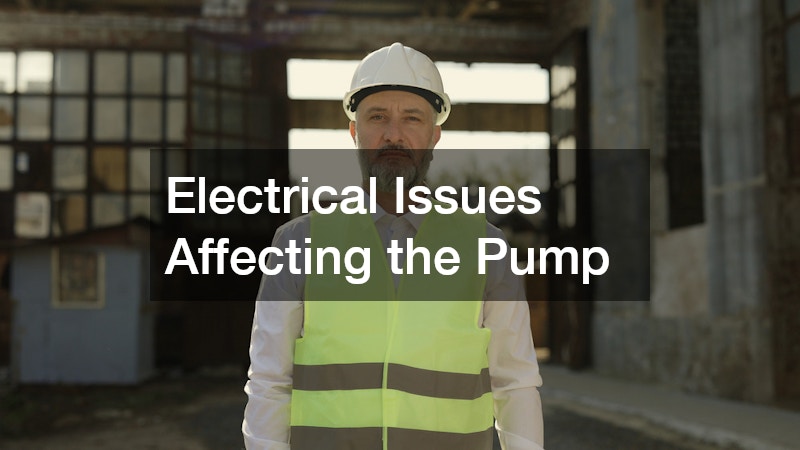
Electrical Issues Affecting the Pump
Electrical malfunctions are a common cause of well pump failure. Faulty wiring, tripped circuit breakers, or sudden power fluctuations can prevent the pump from operating properly, potentially leaving your household without water when you need it most. These issues may not always be obvious at first, as the pump might run intermittently or operate at reduced efficiency before complete failure occurs.
Signs of Electrical Problems
-
Inconsistent pump operation or intermittent cycling.
-
Lights dimming when the pump starts or unusual humming sounds from the motor.
-
Frequent tripping of the breaker connected to the pump.
-
Burnt smells or visible sparks around electrical connections.
Preventive Steps Homeowners Can Take
-
Ensure all wiring is installed and maintained according to electrical codes.
-
Regularly check the circuit breaker and replace any worn or faulty components.
-
Avoid running multiple high-power appliances simultaneously with the pump, which can strain the system.
-
Consider installing surge protectors to guard against voltage spikes caused by storms or utility fluctuations.
When to Call a Professional
Electrical problems in a well pump can be dangerous if handled incorrectly. Always contact a licensed electrician or well pump service technician to inspect wiring, switches, and motor connections. A professional can diagnose the root cause, perform safe repairs, and ensure the pump operates efficiently, preventing unexpected downtime and protecting both your home and your water supply.
Addressing electrical issues early helps extend the life of your pump, improves energy efficiency, and reduces the risk of costly damage to the system.
Signs of Electrical Trouble
-
Pump fails to start despite adequate water demand.
-
Circuit breakers trip repeatedly.
-
Unusual motor behavior, including intermittent operation.
Temporary Solutions
-
Use generators during outages to maintain water supply.
-
Avoid using other high-power appliances simultaneously to reduce electrical strain.
When to Call a Professional
-
Persistent power issues affecting pump performance.
-
Suspected wiring or motor faults.
-
Routine well pump service to prevent long-term electrical damage.
Proactively addressing electrical issues ensures your pump runs efficiently and reliably, preventing sudden failures during critical times.
Coordinating Repairs With Other Home Services
Well pump repairs often coincide with other home maintenance tasks. Coordinating these services can save time, reduce disruptions, and protect your property.
Why Coordination Matters
-
Roof leaks or exterior damage can affect the well or plumbing systems.
-
Scheduling repairs alongside other projects reduces repeated site visits.
Tips for Homeowners
-
Work with a local roofer to inspect areas near your well during roofing or gutter work.
-
Communicate with all contractors about the location of your well to prevent accidental damage.
-
Plan repairs strategically to minimize downtime and inconvenience.
Efficient coordination ensures your well system and home remain protected while reducing stress and repair costs.
Protecting Your Home’s Exterior Systems
Outdoor structures can impact the accessibility and maintenance of your well system. Proper planning is essential when performing projects like fencing or garage door installation near your water supply.
Considerations
-
Keep pump access clear during construction or landscaping.
-
Avoid heavy equipment or debris near the well casing.
-
Coordinate timing of exterior projects with scheduled well maintenance.
Tips for Homeowners
-
Map out all water and utility lines before installing fences or structures.
-
Communicate with contractors about maintenance schedules.
-
Regularly inspect surrounding areas to ensure nothing obstructs the well pump.
Maintaining clear access reduces fencing repair complications and ensures your water system remains operational during home improvements.
Signs Your Well Pump Needs Replacement
At times, ongoing repairs are no longer sufficient, and a full replacement is the most cost-effective solution. Knowing when to replace your pump can prevent repeated failures.
Replacement Indicators
-
Repeated breakdowns despite repairs.
-
Diminished efficiency or water output.
-
Pump age exceeding manufacturer recommendations.
Action Steps
-
Compare costs of continued repair versus replacement.
-
Consult a professional well pump service to evaluate options.
-
Consider energy-efficient or higher-capacity pumps for long-term performance.
Timely replacement ensures consistent water supply and avoids emergencies caused by failing equipment.
Preventive Maintenance for Long-Term Performance
Preventive maintenance is essential to extend the life of your well pump and avoid costly emergency repairs. Regular checks, cleaning, and professional inspections keep the system running smoothly.
Key Maintenance Tips
-
Inspect pressure tanks, switches, and motor components regularly.
-
Lubricate moving parts according to manufacturer instructions.
-
Schedule routine equipment repair and inspections.
-
Coordinate with septic service professionals to maintain overall water quality.
Homeowner Checklist
-
Monitor water pressure and flow monthly.
-
Keep records of maintenance and repairs.
-
Clean or replace filters as needed.
-
Protect the well casing from debris and environmental damage.
A proactive approach ensures your pump operates efficiently and prevents unexpected failures that disrupt your home and daily life.
A well pump is a vital component of your home’s water system, and recognizing early warning signs can prevent costly repairs and inconvenient downtime. From unusual noises and declining water pressure to electrical issues and contamination, staying alert to these indicators allows homeowners to act before problems escalate.
Coordinating repairs with other home services, maintaining clear access, and implementing preventive maintenance all contribute to a reliable water system. Leveraging professional well pump repair services and routine inspections ensures that your system continues to function optimally for years to come.
By taking proactive steps, homeowners protect their water supply, extend the lifespan of their equipment, and maintain peace of mind. Timely action, combined with strategic coordination with other home services, ensures that water remains a consistent, safe, and reliable part of your daily life. Whether it’s repairing minor issues, scheduling preventive maintenance, or replacing aging pumps, informed homeowners can prevent emergencies and safeguard their home systems efficiently.