The Homeowner Guide to Septic and Plumbing Maintenance
1. Mapping Your Waste Infrastructure

Understanding the journey of wastewater from the moment it leaves your fixture to its final treatment destination is the foundational step in effective property management. Every sink, shower, and toilet in your home is connected to a network of drainage pipes that rely on precise gravitational slopes to carry waste away. Each individual fixture is equipped with a P-trap, a U-shaped pipe designed to hold a small amount of standing water. This water trap serves as a critical barrier, preventing toxic and foul-smelling sewer gases from backing up into your living spaces.
When structural issues or heavy blockages manifest deep within this internal network, standard DIY solutions like hand plungers often prove entirely ineffective. In these complex scenarios, securing licensed plumbing services becomes essential to safely diagnose and clear the obstruction without compromising the structural integrity of the copper, PVC, or cast-iron lines. These internal lines eventually converge into a single, large-diameter exit conduit known as the main building drain.
If your property is situated in an urban or highly developed suburban area, this main drain connects directly to a municipal sewer main under the street. However, for millions of homes located outside municipal grid lines, this exit pipe routes directly into a self-contained, subterranean septic tank buried on the property. This tank acts as a localized, private biological water treatment plant, separating solid matter from liquids and initiating the primary stage of waste decomposition. Knowing exactly where your main exit line leaves the foundation and identifying whether your home utilizes municipal utilities or an independent onsite system dictates every single maintenance decision you will make as a property owner.
2. The Inner Mechanics of Liquid Separation
A private underground wastewater container is not merely a passive holding vault; it is a highly sensitive, delicately balanced biological ecosystem. When raw wastewater enters this environment, the velocity of the incoming flow drops significantly, allowing gravity to separate the mixture into three distinct, highly stratified layers over time. The bottom layer consists of heavy organic and inorganic solids that sink to the floor, forming a dense mass known as sludge. Microscopic, anaerobic bacteria living inside the chamber actively feed on this organic sludge, slowly breaking it down and liquefying a portion of the solid mass.
The top layer of the tank consists of lightweight materials that float to the surface, including grease, oils, fats, and lightweight cellular debris. This top layer is universally referred to as the scum layer, and it forms a thick, airtight seal over the liquid beneath it, which actually aids the anaerobic bacteria in their decomposition work. Sandwiched safely between the heavy bottom sludge and the floating top scum is a relatively clear zone of liquid waste known as effluent.
3. Solid Waste Accumulation Management
While the anaerobic bacteria within the containment chamber work tirelessly to digest organic materials, they are completely incapable of breaking down inorganic matter, heavy fibers, or the dense byproducts of grease. Consequently, the bottom sludge layer and the top scum layer will continuously grow in volume over months of routine household use. If these layers are permitted to expand unchecked, the operational volume of the tank shrinks, reducing the retention time required for effective gravity separation. This inevitably results in solid particles escaping into the soil, causing catastrophic system failure.
To prevent this scenario, scheduling a routine septic pumping session every three to five years is an absolute necessity for system longevity. The exact frequency required depends heavily on the physical capacity of your tank, the total number of occupants residing in the home, and the volume of solids introduced into the waste stream daily.
When selecting a professional septic pumping company to perform this heavy-duty maintenance, ensure they thoroughly clear out both the liquid portion and the hardened sludge layer. A superficial vacuuming of the top liquids leaves the damaging, dense solids packed tightly at the bottom, rendering the service largely ineffective. The technician should completely empty the chamber, scrape the interior walls if necessary, and inspect the structural condition of the baffles to guarantee the system is fully reset for its next multi-year operational cycle.
4. Vetting Wastewater Management Professionals
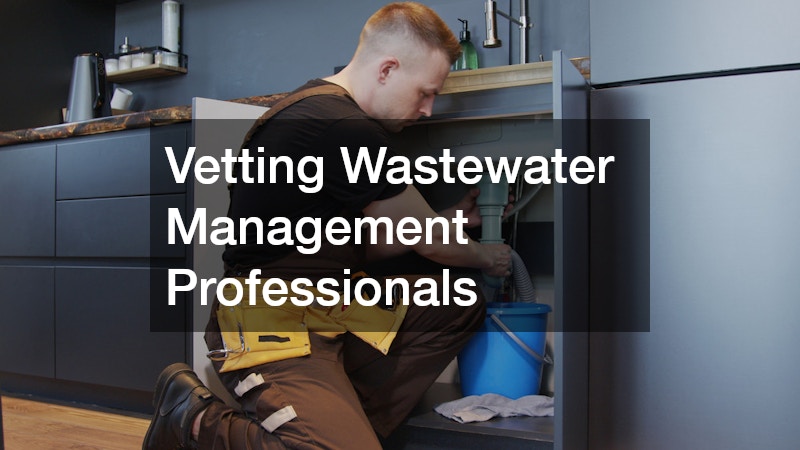
Entrusting your home’s complex environmental infrastructure to an unverified or under-qualified contractor is a recipe for financial and structural disaster. Wastewater management requires specialized equipment, deep knowledge of local environmental regulations, and advanced diagnostic capabilities. When searching for service providers, prioritizing verified credentials over the lowest available price estimate will safeguard your property investment from subpar workmanship and potential regulatory fines.
Begin your screening process by actively looking for highly rated local septic companies that possess full state licensure, comprehensive liability insurance, and formal environmental compliance certifications. A qualified contractor should always be willing to provide verifiable references from past clients and offer transparent, upfront itemized pricing structures before any heavy machinery is brought onto your lawn.
Building a multi-year partnership with a premier provider of septic services ensures that your system receives consistent, deeply documented care from technicians who are intimately familiar with the unique topography and historical behavior of your property. These verified experts possess the high-end industrial tools, such as mechanical crust-busters and truck-mounted vacuum systems, necessary to execute comprehensive cleanouts without damaging your underground infrastructure or compromising your family’s safety.
5. Managing Your Absorption Area
The clarified liquid effluent that leaves the primary containment chamber flows directly into the secondary treatment zone, commonly referred to as the drain field, absorption field, or leach field. This area consists of a series of perforated pipes buried in shallow, gravel-filled trenches beneath the topsoil. The primary function of the drain field is to allow the liquid effluent to slowly percolate downward through the gravel and into the natural soil profile. As the water filters through the earth, natural soil microbes and filtration processes strip away remaining pathogens, viruses, and nutrients, completely purifying the water before it eventually returns to the local groundwater table.
Because the soil absorption field is highly sensitive to compaction and saturation, safeguarding this specific patch of land requires strict physical boundaries. When looking for local septic services to optimize your property layout, ask their field technicians to precisely map out the exact boundaries of your absorption trenches.
Once mapped, you must strictly enforce a rule that no heavy machinery, vehicles, or temporary structures like swimming pools are ever placed over this zone, as soil compaction can instantly crush the perforated pipes and stop natural filtration. Furthermore, routine septic service checkups should include an assessment of the surrounding vegetation; only shallow-rooted turf grass should be allowed to grow over the field, as aggressive tree and shrub roots will aggressively seek out the nutrient-rich wastewater, invading and shattering the underground pipe network.
6. High-Tech System Diagnostics
Modern advancements in waste system technology have completely eliminated the need for destructive, blind digging when trying to identify underground structural problems. Today, high-resolution waterproofing technology and specialized cleaning equipment allow technicians to inspect and rehabilitate subterranean infrastructure with absolute surgical precision. Incorporating these advanced diagnostic methodologies into your long-term property maintenance strategy allows you to catch minor structural anomalies before they evolve into catastrophic structural collapses.
If your drains begin to gurgle or run slowly across the entire household, a professional septic cleaning utilizing high-pressure hydro-jetting can thoroughly scour the interior walls of your main lines, stripping away years of accumulated grease, mineral scale, and bacterial biomat formations.
Furthermore, scheduling comprehensive septic inspections that utilize fiber-optic snake cameras is incredibly vital when buying a new property or diagnosing an older system. These flexible camera lines are routed directly through the pipes and tanks, providing real-time, high-definition video feedback of the structural condition of your tank walls, structural baffles, and distribution boxes, completely uncovering hidden fractures or structural shifts without disturbing a single blade of grass on your lawn.
7. Essential Fixture and Drain Care

While major system failures occur underground, the root causes of those failures almost always originate directly at the household fixtures. The daily choices made by household members at the kitchen sink, bathroom vanity, and toilet bowl dictate the overall operational health of your entire wastewater infrastructure. Cultivating a strict household culture regarding what is allowed to enter your drain system is the single most effective way to eliminate premature blockages and maintain optimal chemical balance within your waste lines.
In the kitchen, the single greatest threat to your piping network is the introduction of fats, oils, and grease. While these substances may enter the drain as hot liquids, they quickly cool down inside the cold underground pipes, solidifying into dense, rock-like masses that catch other debris and cause severe blockages. Garbage disposals exacerbate this issue by grinding solid food waste into a heavy slurry that cannot be easily digested by tank bacteria, rapidly accelerating sludge accumulation.
8. Chemical Safety and Microbial Balance
The biological engine driving your private waste treatment plant is entirely fueled by beneficial bacteria that naturally populate the containment chamber. These microorganisms are highly sensitive to chemical fluctuations, and introducing harsh household chemicals down the drain can completely sterilize this vital ecosystem. When the bacterial population is decimated, organic solids cease to decompose, causing the sludge layer to grow at an alarming, unmanageable rate that threatens the functionality of your entire system.
Chemical drain openers are among the most destructive products a homeowner can use. Not only are these caustic acids highly corrosive to older copper and cast-iron plumbing lines, but they also act as a powerful sterilizer once they reach the primary treatment tank, wiping out millions of beneficial microbes in a single application.
9. Managing Water Volume and Hydraulic Load
Every onsite wastewater treatment system is engineered to handle a specific, maximum daily volume of water, a metric known as its hydraulic load limit. When a household exceeds this design capacity by sending massive torrents of water down the drains in a short period, it creates a condition known as hydraulic overloading. This excessive surge of water forces liquid through the primary containment chamber far too quickly, failing to provide the time required for solids to settle to the bottom or for grease to float to the top. As a result, unclarified effluent filled with suspended solids is pushed directly into the soil absorption field, rapidly blinding the soil pores and destroying the system’s ability to filter water.
To prevent hydraulic overloading and protect your drain field from premature failure, conscious water management must become a daily household priority. Avoid the common practice of running multiple water-heavy appliances simultaneously, such as operating the washing machine, the dishwasher, and the shower at the exact same time.
10. Seasonal Care and Winterization Protocols

As seasonal temperatures shift throughout the year, your home’s waste management infrastructure faces distinct environmental challenges that require targeted, preventative adjustments. Winter weather poses a particular threat to plumbing and waste lines in colder climates, as freezing soil temperatures can cause standing water inside shallow pipes to freeze, expand, and rupture the conduit walls. Ensuring your system is structurally prepared for extreme weather changes is a critical component of comprehensive property management.
During the late autumn months, allow the grass over your tank and absorption field to grow slightly longer than usual, as a thick layer of un-mowed turf grass acts as a natural insulating blanket that traps ground heat and shields the underlying pipe network from deep frost penetration. If you plan to leave your property vacant for extended periods during the winter season, it is vital to thoroughly drain all internal water lines, shut off the main water supply, and add non-toxic plumbing antifreeze to all P-traps and toilet bowls to prevent structural damage.
Ultimately, the time and financial resources invested into routine diagnostic imaging, professional pumping cycles, and regular structural inspections represent a small fraction of the astronomical costs associated with replacing a collapsed tank or a ruined drain field. Treat your home’s invisible infrastructure with the same care and respect you afford your visible living spaces, and your wastewater systems will deliver safe, reliable, and trouble-free performance for generations to come.