Your Guide to Water Issues in Your Home
The modern home relies on an intricate, sprawling network of pipes, valves, and fixtures that operates silently behind walls and beneath floorboards. This invisible network handles everything from delivering clean water to safely whisking away waste. Because it works so efficiently most of the time, it is easy to take your household plumbing for granted. However, water issues have a unique way of turning a peaceful day into an expensive, stressful emergency in a matter of minutes.
Beyond the immediate structural hazards, unresolved plumbing issues can also quietly take a toll on your family’s health and your household budget. Stagnant water from slow-moving drains creates an ideal breeding ground for harmful bacteria and insects, while hidden moisture inside walls promotes rapid mold growth that degrades indoor air quality. From a financial perspective, even a minor leak can waste thousands of gallons of clean water annually, causing your utility bills to climb steadily without your knowledge. By becoming proactive rather than reactive, you can prevent these compounding health and financial strains before they escalate.
Understanding your home’s water systems also eliminates the anxiety that often comes with unexpected mechanical failures. For many homeowners, the sound of a sputtering faucet or a gurgling toilet sparks immediate dread of astronomical repair costs and invasive renovations. However, equipped with the proper diagnostic knowledge, you can approach these situations with confidence. Knowing how to differentiate between a simple fixture malfunction and a complex systemic issue ensures that you always make informed decisions, whether you are picking up a tool yourself or speaking with a professional coordinator.
Diagnosing Low Water Pressure and Discolored Water
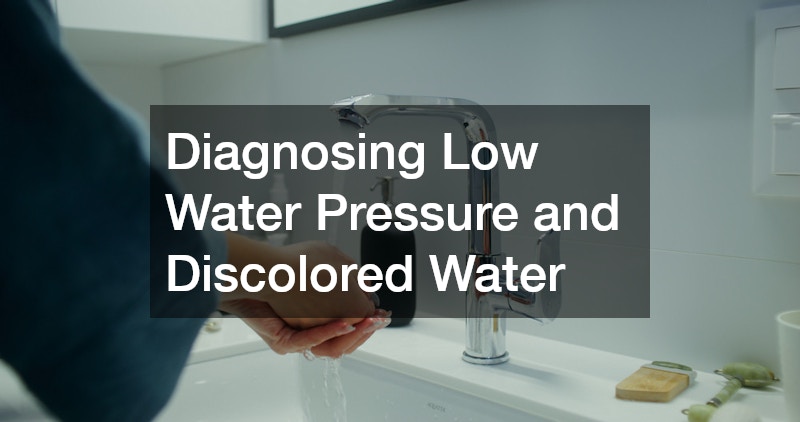
Check for Localized vs. Whole-House Pressure Drops
When you notice a drop in water pressure, first determine the scope of the problem. If the pressure is weak at only a single faucet, the issue is almost certainly a clogged aerator. This mesh screen at the tip of the spout mixes air into the water stream, trapping minerals over time. You can easily unscrew the aerator, soak it in white vinegar to dissolve the scale, rinse it, and reattach it.
If the drop affects every fixture simultaneously, the root cause is broader. First, ensure your main water shut-off valve is fully open. If the valve is completely open and your neighbors are not experiencing an interruption, your home’s bell-shaped pressure-reducing valve might be failing, restricting the overall flow.
Identify the Root Cause of Cloudy or Hard Water
Hard water contains high concentrations of calcium and magnesium. While generally safe to drink, it wreaks havoc on your home. You will notice chalky white scale on showerheads, stubborn spots on dishes, and a distinct lack of soap suds. Over time, these minerals accumulate inside your pipes and water-using appliances. If you notice these symptoms alongside a sudden decrease in water quality, your home filtration systems may be struggling, making timely water softener repair an important step to restore balance and protect your appliances.
Pinpoint the Source of Discolored Water
Discovering discolored water rushing out of your tap can be alarming. If the water appears brown, yellow, or red, it is a clear sign that rust or sediment has entered the stream. When this happens exclusively while running hot water, the blame almost always rests on your water heater, where loose minerals settle to the bottom over the years. Regularly flushing the tank can clear this out. However, if you are experiencing severe discolored water combined with unexpected temperature drops, investing in professional water heater repairs can prevent a complete tank rupture.
Dealing with Stubborn Clogs and Slow Drains
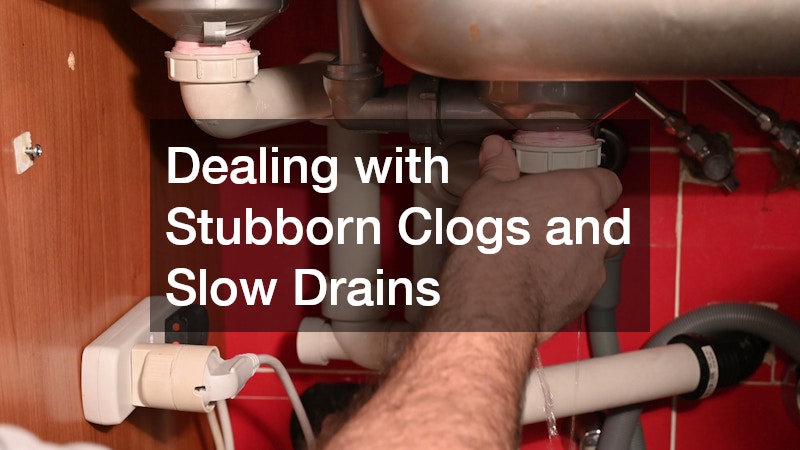
Try Safe Home Remedies Before Reaching for Chemicals
A slow-draining sink or tub is a universal annoyance, but the worst thing you can do is run to the store for a bottle of liquid chemical drain cleaner. These products rely on aggressive, caustic chemicals that generate intense heat. While they might temporarily clear a path, that same chemical reaction can warp plastic PVC pipes and corrode older metal lines.
Instead, start with gentle, natural chemical reactions. Pour half a cup of baking soda down the sluggish drain, followed immediately by a full cup of white vinegar. Cover the drain with a stopper for fifteen minutes to trap the bubbling carbon dioxide gas, then flush the line with boiling water.
Master the Art of the Plunger and Drain Snake
When natural remedies fall short, physical removal is the next line of defense. A standard flat cup plunger is meant for flat surfaces like sinks and bathtubs. A toilet, however, requires a flange plunger, which features an extended rubber sleeve on the bottom that fits snugly inside the toilet bowl drain opening. Focus on both the downward push and the upward pull to break the clog free.
For clogs residing further down the line, a manual hand snake or drain auger is incredibly effective. Gently feed the steel cable into the drain until you feel resistance, then crank the handle while applying mild forward pressure. Be extremely careful not to force the cable blindly, as aggressive handling can scratch porcelain or puncture thin-walled metal traps.
Know When DIY Methods Won’t Cut It
There comes a point where consumer-grade tools simply lack the reach or power. If multiple fixtures are backing up at the exact same time—such as the shower filling up whenever the washing machine drains—this indicates a deep, systemic restriction within the main waste lines where multiple clogged drains join together.
When faced with persistent, widespread drainage failures, the safest path forward is to contact a specialized drain cleaning company. These professionals possess heavy-duty motorized augers and advanced hydro-jetting machines, which blast high-pressure water through the interior of your pipes. This process completely scours the pipe walls clean of accumulated grease, hair, and scale.
Addressing Invisible Leaks and Structural Plumbing Threats
Track Down Hidden Leaks Using Your Water Meter
Some of the most destructive plumbing issues are those you cannot see or hear. A pinhole leak behind a wall can drip silently for months, rotting wood studs and ruining drywall. Fortunately, your water meter can act as an excellent diagnostic tool.
-
Turn off every single water fixture inside and outside your house.
-
Locate your water meter box and view the dial.
-
Look closely for a small, fast-spinning dial or triangle, often referred to as a leak indicator.
-
If the leak indicator is moving even slightly while all water is shut off, you have an active leak.
-
If there is no visible movement, write down the exact numeric reading, leave the water off for two hours, and check it again. Any change confirms water is escaping.
Listen and Look for Signs of Foundation Leaks
For homes built on concrete slab foundations, a leaking pipe underneath the concrete is an exceptionally dangerous threat. These are known as slab leaks, and they can easily undermine the structural integrity of your entire home.
-
Pay close attention to the floors; if you step on a spot that feels noticeably warmer, a hot water line beneath the slab may be ruptured.
-
Listen carefully during quiet hours for the faint, distant sound of running water when no fixtures are active.
-
Watch for structural anomalies, such as sudden cracks in your drywall or warping floors.
-
Check for unexplained dampness or mold growth along the bottom edge of your carpets or baseboards.
Dealing with a leak of this magnitude requires advanced electronic acoustic listening equipment. Once located, organizing a professional under slab plumbing repair is vital to patch the line and stabilize the ground before shifting concrete causes permanent structural damage.
Spot the Early Warning Signs of Corroding Pipes
If your home was built several decades ago, your plumbing system may be reaching the end of its natural lifespan. Galvanized steel pipes are notorious for corroding from the inside out, narrowing the internal pathway for water. Copper pipes can also suffer from pitted corrosion due to chemical imbalances in the water supply. Inspect any exposed pipes in your basement or utility closet regularly for flaking rust or a greenish discoloration known as verdigris. These visual cues mean the metal is actively breaking down, and scheduling a proactive pipe repair can replace the compromised section before a catastrophic burst occurs.
Protecting Your Basement and Underground Main Lines
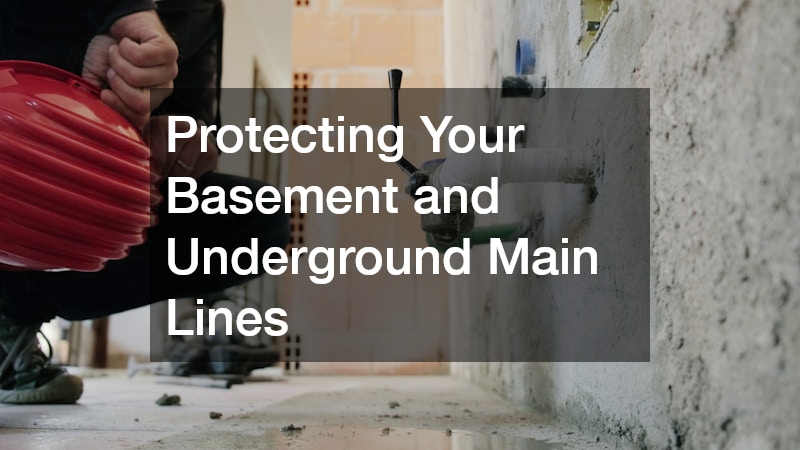
Keep Your Basement Dry During Heavy Storms
Basements and crawlspaces are inherently prone to moisture intrusion when the surrounding water table rises sharply. A properly maintained drainage pit is your home’s primary defense against this threat, collecting groundwater and pumping it safely away.
To ensure your system is ready, test it manually twice a year by pouring a large bucket of water directly into the basin to ensure the float switch activates the pump. For homeowners living in low-lying areas, investing in a professional sump pump installation with an integrated battery backup system provides unparalleled peace of mind if a severe storm knocks out your neighborhood’s electrical grid.
Recognize the Signs of a Failing Main Sewer Line
Problems with your underground main sewer lateral can completely disrupt your household. Over time, these underground lines can shift, crack, or suffer from severe tree root intrusion.
-
Be alert to persistent, foul sewer gas odors coming from your drains or yard.
-
Watch for unusual patches of lush, bright green grass in your lawn.
-
Take note if multiple toilets or drains throughout the house gurgle whenever you run water.
-
Look out for sinks or tubs that drain incredibly slowly despite your best efforts to clear local traps.
When an underground sewer line collapses entirely, standard cleaning methods are no longer effective. At this stage, a complete sewer replacement is generally necessary to excavate the damaged line and install durable, seamless piping that will restore dependable drainage to your property.
How to Choose the Right Emergency Plumbing Partner

Verify Licenses, Insurance, and Hidden Fees
When an urgent plumbing crisis strikes, never hire a contractor based solely on a cheap price quote over the phone. A reputable provider will gladly present proof of their current state plumbing license and comprehensive liability insurance. Furthermore, ensure they offer transparent, upfront pricing models rather than ambiguous hourly rates. Taking the time to verify these credentials ensures you receive high-quality plumbing repair services that comply with all local building codes.
Build a Relationship with a Reliable Pro Before Disasters Strike
The absolute best time to find a great plumber is when you do not actually need one. By researching local professionals, reading customer testimonials, and establishing contact during a routine maintenance check, you can build a relationship built on trust. Having a reliable plumbing service on speed dial means you will receive prompt, professional attention when a true midnight emergency occurs, helping you mitigate damage quickly.
Maintaining a safe, efficient home requires you to keep a watchful eye on your plumbing system. Understanding the early warning signs of leaks, clogs, and pressure drops can save you from catastrophic property damage and massive bills. By adopting a proactive approach to maintenance, tackling simple troubleshooting steps safely, and knowing when a problem requires industrial equipment, you can keep your home’s water system running flawlessly for years to come.
Ultimately, investing a little time into understanding your home’s unique plumbing layout and addressing small warning signs early pays massive dividends in the long run. Water is a powerful force that can quietly compromise your property’s value, structural foundation, and everyday comfort if left unchecked. By pairing your own routine observations with the specialized skills of certified professionals when the job demands it, you effectively safeguard your biggest financial investment. Treat your plumbing system with proactive care today, and it will reward you with years of safe, reliable, and worry-free operation.
Additionally, cultivating a proactive mindset regarding your plumbing changes your relationship with your home from one of constant vigilance to one of lasting security. Instead of waiting for a visible catastrophe to force your hand, routine checks and minor adjustments allow you to stay steps ahead of natural wear and tear. This consistent care not only extends the operational lifespan of your expensive household appliances, but it also provides a profound sense of comfort every time you turn on a tap. By making water maintenance a natural part of your homeownership routine, you ensure that your living space remains the safe, dry, and welcoming sanctuary it was always meant to be.