Optimizing Your Homes Systems and Structures to Reduce Utility Bills
The hidden drain on your household budget isn’t your streaming subscriptions or morning coffee—it is the passive waste from your home’s core systems daily. Utility bills represent a major, fluctuating monthly expense often felt beyond your control. Seasonal changes like extreme heat or cold cause electricity and gas meters to run excessively, adding stress. Your home is an ecosystem of structural barriers and mechanical units. When one part is compromised, the entire house suffers. A drafty window forces a heater to run continuously, while a clogged filter makes a cooling unit work harder. This leads to inflated bills and equipment failure.
Fortifying the Structural Envelope: Roofing and Siding

Your home’s structural envelope is its first line of defense against the elements. The roof and exterior walls absorb the brunt of solar radiation and wind, acting as a barrier that keeps your conditioned air inside and the raw outdoor elements out.
When your roof absorbs excessive heat during the summer months, that thermal energy transfers directly down into your attic space. Attics can easily reach temperatures exceeding 130°F on a sunny day. This intense heat eventually radiates through your ceiling drywall and forces your cooling systems to work overtime.
- Upgrade to specialized cool roofing materials, such as reflective asphalt shingles or light-colored metal panels, which actively bounce solar radiation away from the building structure rather than absorbing it.
- Ensure your attic features a balanced ventilation system with functioning soffit and ridge vents to allow trapped hot air to escape naturally via convection.
- Check your attic floor’s insulation depth; if you can see the top of your wooden ceiling joists, you need to add more fiberglass or blown-in cellulose to hit the recommended R-value for your climate zone.
If you notice soaring summer electric bills or uneven temperatures between your downstairs and upstairs rooms, consulting a trusted roofing contractor to evaluate your insulation and shingles is a crucial first step toward long-term savings.
Similarly, your home’s exterior walls require adequate thermal resistance. Older homes often lack proper insulation within the wall cavities, leading to a phenomenon known as thermal bridging, where heat bypasses insulation by traveling directly through the wooden or metal wall studs.
- Consider installing insulated vinyl or fiber-cement cladding options when it comes time to update your exterior, creating a continuous blanket around the building frame.
- Seal any penetrations through your exterior walls, such as areas where outdoor faucets, dryer vents, or electrical conduits pierce the facade, using expanding foam sealant.
Utilizing professional siding services ensures a continuous air barrier that blocks wind infiltration and keeps conditioned air exactly where it belongs—inside your living spaces.
Maximizing Window and Glazing Efficiency
Windows are beautiful structural features that provide natural light and ventilation, but they are also notorious weak points in a home’s thermal envelope. In fact, standard windows can be responsible for up to 30% of a residential property’s total heating and cooling energy loss.
Air leakage around window frames is an immediate drain on your wallet. On windy days, cold or hot air forces its way through tiny gaps between the window sash and the frame, systematically replacing the air you just paid to heat or cool.
- Conduct a simple flashlight test at night by having someone shine a light from the outside around the window perimeters while you look for light leaks from the inside.
- Apply a bead of high-grade exterior silicone caulk along the seams where the window frame meets your home’s exterior siding or brickwork.
- Replace worn, brittle felt or rubber weatherstripping along the moving tracks of your window sashes to re-establish a tight compression seal when closed.
While basic weatherstripping helps in the short term, old single-pane glass units eventually become entirely obsolete against modern energy standards. Replacing old glass with double- or triple-pane units featuring low-emissivity coatings yields massive long-term savings. Engaging experienced window contractors will ensure a precise, airtight installation that prevents structural shifts from compromising your seals over time.
Beyond physical upgrades, you can also practice smart window management to manipulate passive solar energy throughout the year.
- Close heavy thermal curtains or cellular shades on south- and west-facing windows during hot summer days to block radiant heat from entering.
- Open those same window coverings wide during clear winter days to let natural sunlight strike your floors and walls, warming your home completely free of charge.
Fine-Tuning Your HVAC System for Peak Performance

Heating, ventilation, and air conditioning systems represent the single largest consumption of energy in the modern home. Keeping these complex mechanical networks operating at peak efficiency is paramount if you want to see a noticeable reduction in your monthly power usage.
Air conditioners rely on a delicate balance of airflow and refrigerant pressures to pull heat out of your indoor air and dump it outside. When airflow is restricted by dirt or debris, the system must run for significantly longer cycles to reach the temperature set on your thermostat, wasting power and placing immense stress on the compressor.
- Replace your indoor return air filters every 30 to 90 days, opting for pleated filters that capture dust without choking off the system’s volumetric air delivery.
- Clear away tall weeds, bushes, and stored items within a two-foot radius around your outdoor condenser unit to ensure unrestricted air movement.
- Clean the outdoor condenser coils annually by spraying them gently with a garden hose from the inside out to remove impacted pollen, dust, and grass clippings.
Regular maintenance checks through professional air conditioning services keep the internal components clean and calibrated, allowing the system to run at its optimal seasonal energy efficiency ratio.
Long-term climate control strategies also require looking at the overall design and control of your system. A system that is poorly configured will cycle on and off rapidly, a process known as short-cycling, which consumes massive amounts of starting electricity.
- Install a smart, programmable thermostat that automatically adjusts temperatures by 7 to 10 degrees when you are asleep or away at work, saving up to 10% a year on heating and cooling.
- Seal leaky joints in accessible basement or attic ductwork using specialized aluminum foil tape or mastic duct sealant to prevent conditioned air from dumping into unconditioned spaces.
For deep systemic cooling issues or an aging unit that needs a total replacement, partnering with a licensed HVAC company ensures your new equipment is accurately sized for your home’s specific layout.
Optimizing Winter Heating and Furnace Dynamics
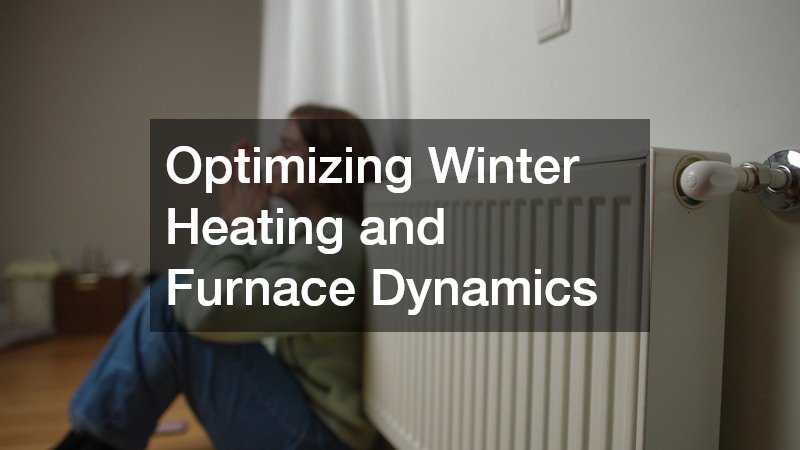
When winter arrives, the energy focus shifts from keeping heat out to trapping it inside. Heating systems burn through fossil fuels or electricity at a rapid rate, making winter heating efficiency a top priority for cold-climate homeowners.
Whether your home utilizes a hydronic boiler system with radiators or a standard forced-air setup, heat distribution must remain unimpeded. Any barrier that slows down the movement of heat throughout your rooms forces your central heating core to burn more fuel to satisfy the thermostat.
- Bleed your hot water radiators using a radiator key at the start of winter to release trapped air pockets, ensuring hot water fills the entire volume of the metal unit.
- Vacuum out floor registers and return grilles regularly to prevent household dust and pet dander from insulating the metal surfaces and blocking airflow.
- Keep large furniture pieces, long drapes, and dog beds entirely clear of heating vents so warm air can circulate freely throughout the room.
If your heating system relies on complex zonal valves or a modern heat pump, ignoring minor operational hiccups like strange vibrations or uneven heating will inevitably lead to higher energy draws. Booking timely heating repairs prevents small component issues from multiplying into catastrophic, budget-breaking system breakdowns during a freeze.
For homes relying on gas or oil furnaces, combustion efficiency directly dictates how much money is wasted up the exhaust flue. A furnace that is burning fuel inefficiently will use more gas to create the same amount of heat.
- Inspect the furnace flame through the viewing window; it should always be a steady, crisp blue color, as a yellow or flickering flame indicates incomplete, wasteful combustion.
- Listen for unusual clicking or whistling sounds when the furnace ignites, which can indicate failing igniters or restricted heat exchangers.
A neglected heating element can lose a vast percentage of its efficiency over time due to soot buildup and sensor degradation. Scheduling a specialized furnace repair technician to clean the burner assembly and calibrate fuel-to-air ratios guarantees that every therm of gas translates directly into household warmth.
Electrical Grid Tuning and Water Heating Solutions
While heavy climate control systems take up the bulk of your utility bills, the steady, constant draw of your electrical grid and water heating systems forms a high baseline expense that shouldn’t be ignored.
Many electronic devices consume power even when they are turned completely off. This phenomenon, known as vampire power or standby load, accounts for roughly 5% to 10% of a residential home’s total electricity consumption.
- Group your home entertainment components, such as televisions, sound systems, and gaming consoles, onto a single smart power strip that automatically cuts power to secondary devices when the main unit is turned off.
- Unplug secondary battery chargers for power tools, laptops, and small kitchen appliances when they are not actively charging a device.
- Switch your home’s remaining incandescent or halogen light bulbs over to high-efficiency LED bulbs, which use up to 85% less energy and last twenty times longer.
Older homes with outdated electrical panels can also experience micro-shorts and minor internal resistance issues that result in subtle power losses. Having a certified residential electrician audit your electrical panel and install dedicated circuits can stabilize your home’s power distribution and protect sensitive, high-efficiency appliances from power spikes.
Water heating represents another massive energy drain, accounting for roughly 18% of the average household’s utility costs. Most people leave their water heaters running at unnecessarily high temperatures day and night.
- Dial your water heater’s internal thermostat down to 120°F (49°C), which is perfectly hot enough for domestic use and prevents scalding while reducing standby heat loss.
- Wrap your conventional water heater tank in an insulated fiberglass thermal blanket to help retain heat, especially if the tank is located in an unheated garage or basement.
- Drain a few gallons of water from the bottom drain valve of your water tank every six months to flush out collected mineral sediment, which acts as an insulative barrier between the burner and the water.
If your hot water storage tank is over a decade old, its internal lining is likely coated in sediment, making it highly inefficient. Looking into high-efficiency tankless units or hybrid heat pump water heater installations can permanently lower your baseline energy consumption by only heating water on demand.
Appliance Care and Preventive Maintenance
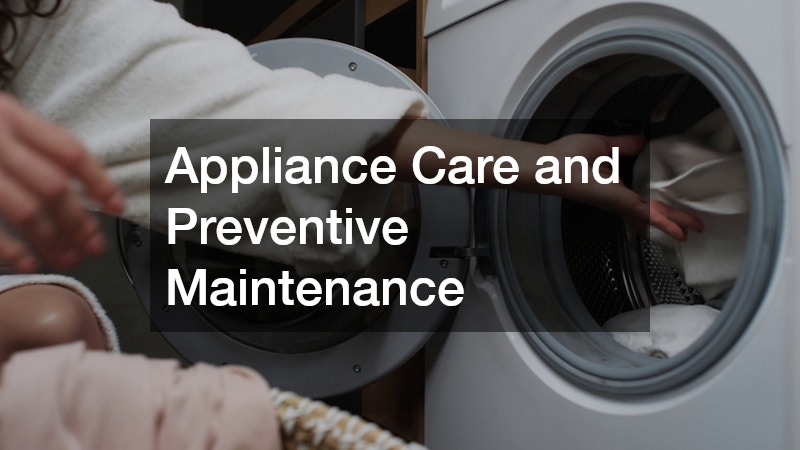
Major household appliances are workhorses that consume significant amounts of electricity and water. Over time, mechanical wear, dust accumulation, and neglected maintenance cause these machines to degrade, quietly demanding more resources to finish their standard cycles.
Your refrigerator runs 24 hours a day, 365 days a year, making it one of the most vital appliances to optimize for efficiency. If the unit cannot shed heat effectively, its compressor must work constantly.
- Pull your refrigerator out from the wall twice a year and use a vacuum attachment or brush to clean the heavy accumulation of dust and pet hair off the lower condenser coils.
- Test the rubber door gaskets by closing the door on a dollar bill; if the bill pulls out easily without resistance, cold air is leaking out, and the gasket needs to be replaced.
- Keep both your freezer and refrigerator sections reasonably full, as cold items help maintain the internal temperature when the door is opened, reducing recovery time.
Laundry and dishwashing units also present excellent opportunities for resource optimization when maintained correctly.
- Clean the lint trap of your clothes dryer before every single load, and clean out the main exterior dryer vent line with a flexible brush annually to cut drying times in half.
- Run your dishwasher and washing machine only when you have a completely full load, and always opt for the “eco-mode” or cold-water settings whenever possible to avoid water-heating costs.
When appliances begin to show signs of mechanical strain, such as a washing machine taking too long to drain or a refrigerator cycling constantly, they don’t always stop working entirely. Instead, they pull more power to compensate for worn seals or failing motors. Investing in targeted appliance repairs preserves your equipment’s lifespan while keeping your daily power draws minimal.
Reducing your home’s utility bills doesn’t require sacrificing comfort or living in a dark, drafty house. It’s about eliminating friction and stopping resource leaks. When your home’s structure is sealed, mechanical systems run efficiently, using less energy to maintain a perfect indoor climate. Once savings appear on your bills, reinvest in high-ROI upgrades like advanced insulation, smart controls, or high-efficiency equipment. An optimized home minimizes your environmental footprint and keeps more money in your bank account.